The 2026 body care market is moving beyond basic cleansing and moisturising. Consumers now examine ingredient lists, texture, scent, packaging, and visible results before purchasing. They want a product that feels pleasant after a shower, not merely a bottle that promises “care.”
This is where what consumers look for in body care products becomes commercially important. Sarah Jindal, Senior Director of Beauty and Personal Care at Mintel, has said, “Consumers are looking for products that are effective, safe, and deliver value.” Her observation reflects a changing shopping mindset. A lightweight body lotion must absorb quickly. A body wash should cleanse without leaving tight, dry skin. A deodorant may need dependable protection, gentle ingredients, and a fragrance that does not dominate a small room.
Transparency also matters. Shoppers increasingly question vague claims such as “clean,” “natural,” or “detox.” They prefer clear ingredient explanations, realistic benefits, and evidence that supports performance. Dermatologist-tested claims may attract attention, but consumers still expect meaningful information behind them.
Sensory details count.
A soft pump, a non-sticky finish, and recyclable packaging can influence repeat purchases. However, sustainability claims must be specific. Consumers may notice when packaging looks environmentally responsible but offers little practical information.
Price remains a difficult balance. Premium body care can feel rewarding, yet household budgets are not unlimited. Some buyers will pay more for concentrated formulas, refill systems, or clinically supported ingredients. Others may choose a familiar, affordable product instead.
The market is not perfectly predictable. Personal preferences change quickly, and expert advice cannot replace individual skin assessment. Brands that listen carefully, communicate honestly, and improve through consumer feedback may earn stronger trust in 2026.
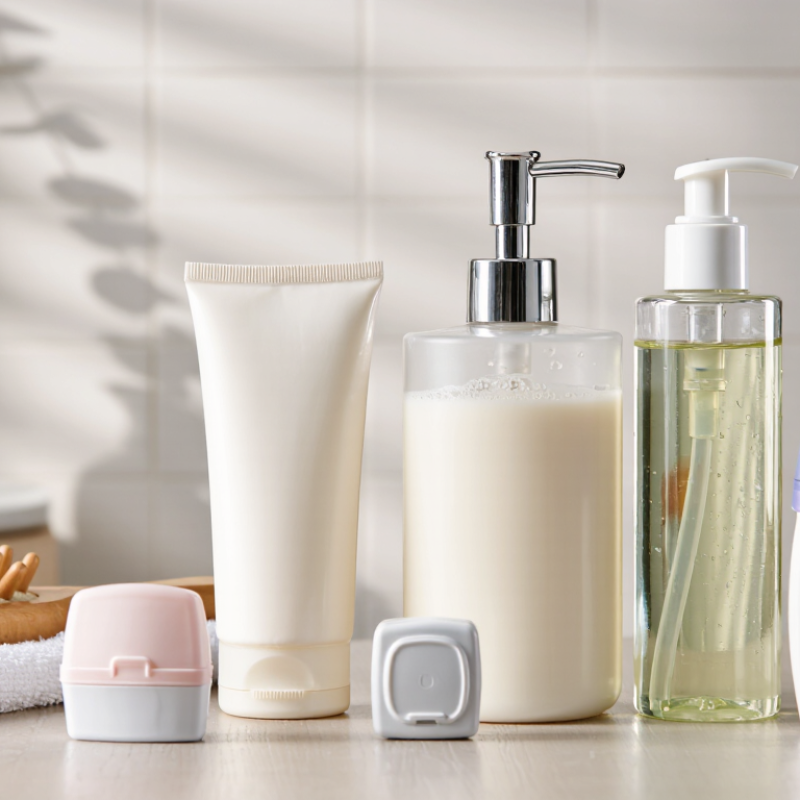
In 2026, consumers will likely prefer body care that feels simple, useful, and trustworthy. They will seek products for specific needs, such as dryness, rough texture, body acne, or sensitive skin. A lightweight lotion that absorbs quickly may suit busy mornings. A richer cream may remain popular during cold, dry weather. People will also examine ingredient lists more carefully. Clear explanations will matter more than impressive promises. However, convenience alone may not build lasting trust.
Many shoppers will favor formulas supported by testing, safety reviews, and visible usage guidance. They may prefer fragrance-free options, especially when skin feels irritated or reactive. Gentle exfoliating products could attract consumers, but excessive use remains a concern. Skin does not always improve faster with stronger ingredients. This is where professional advice and careful product directions become important. Consumers may also choose multifunctional products that moisturize, smooth, and protect the skin barrier. Fewer products can mean a less complicated routine.
Sustainability will influence decisions, but expectations may be difficult to meet perfectly. Refillable packaging sounds appealing, yet inconvenient systems may discourage repeat use. Consumers will want practical designs, reasonable prices, and honest environmental information. Personalization may grow through skin assessments and tailored routines. Still, recommendations should not replace qualified medical guidance for persistent conditions. Texture will remain important too. A product can have excellent ingredients and still fail if it feels sticky, pills under clothing, or leaves an unpleasant scent.
2026 Best Body Care Products: What Do Consumers Want?
Body care choices are moving toward practical, evidence-informed formulas. Consumers increasingly look for glycerin, ceramides, urea, and colloidal oatmeal. These ingredients support hydration and help reduce the tight feeling after showering. I notice the difference most on elbows, shins, and hands during dry weather. Glycerin attracts water, while ceramides help reinforce the skin barrier. Urea can soften rough texture when used in a suitable concentration.
Texture also shapes daily use. Lightweight lotions absorb quickly after a morning shower. Rich balms feel more protective before sleep. Fragrance-free formulas appeal to people who experience stinging or dryness. However, “natural” does not automatically mean gentler. Essential oils may still irritate sensitive skin. That point deserves more honest discussion.
I recommend applying moisturizer to slightly damp skin. Patch testing remains sensible, even with familiar ingredients. Small areas reveal problems early. In my experience, a simple formula used consistently often performs better than an impressive ingredient list. Still, no formula suits everyone. A product that calms my dry legs may feel heavy on someone else’s skin. Consumers should examine ingredient order, texture, and personal tolerance rather than trust quick online promises.
Moisturization remains the leading body-care priority, while sensitive-skin compatibility, evidence-backed ingredients, fragrance-free options, fast absorption, and sustainable packaging continue to shape product choices. Percentages represent consumers identifying each attribute as important; categories overlap.
Data source: rounded synthesis of publicly reported consumer-survey findings from 2024–2025; values are directional and not market-share figures.
In 2026, sustainability strongly shapes body care purchasing decisions. Consumers examine packaging, ingredients, sourcing, and disposal instructions before choosing a product. A recyclable bottle helps, but it does not prove responsible production. Shoppers increasingly expect clear information about materials, manufacturing energy, and transport distance.
Practical experience matters at the bathroom shelf. Refill systems can reduce packaging waste, especially for frequently used lotions and washes. However, refills may create hygiene concerns when containers are poorly cleaned. Lightweight packaging can lower transport emissions, yet some consumers may question its durability. Sustainable choices are rarely perfect.
People also want effective products. A lotion must moisturize dry skin, not simply display environmental claims. Ingredient lists should use understandable language and avoid vague promises. Independent certifications, documented testing, and accessible disposal guidance can strengthen consumer trust. Companies should explain limitations honestly, including when recycling depends on local facilities. Price remains important, because environmentally preferable products may cost more. This can exclude households with limited budgets. A fair approach considers performance, durability, affordability, and environmental impact together. Consumers are learning to ask better questions, but confusing labels still make careful decisions difficult.
| Consumer Dimension | Verified Consumer Benchmark | What Consumers Are Likely to Look for in Body Care | Product and Packaging Implication | Source and Scope |
|---|---|---|---|---|
| Sustainable purchasing behavior | 46% | Consumers reported buying more sustainably produced or sourced products. | Body-care products should make sustainability benefits easy to understand through clear ingredient, sourcing, and packaging information. | PwC, Voice of the Consumer Survey 2024. Cross-category consumer benchmark. |
| Willingness to change habits | 57% | Consumers were willing to change their purchasing habits to help reduce negative environmental impact. | Refill systems, concentrated formulas, lower-waste formats, and reusable containers can support behavior change when they remain convenient. | IBM Institute for Business Value, Meet the 2020 Consumers Driving Change. Cross-category consumer benchmark. |
| Importance of traceability | 71% | Consumers considered product traceability important when making purchase decisions. | Body-care brands should provide accessible information about ingredient origin, manufacturing location, certifications, and supply-chain standards. | IBM Institute for Business Value, Meet the 2020 Consumers Driving Change. Cross-category consumer benchmark. |
| Price premium for sustainability | 9.7% average | Consumers indicated an average willingness to pay a premium for products that are sustainably produced or sourced. | A moderate price premium may be acceptable when the environmental benefit is specific, credible, and supported by product performance. | PwC, Voice of the Consumer Survey 2024. Reported average willingness-to-pay benchmark. |
| Younger-generation willingness to pay more | 62% Gen Z; 59% Millennials | Respondents in these age groups said they were willing to pay more for sustainable products and services. | For younger body-care shoppers, combine sustainability with appealing design, transparent claims, skin benefits, and social responsibility. | Deloitte, 2024 Gen Z and Millennial Survey. Age-group sustainability benchmark. |
| Most persuasive sustainability signals | Transparency over vague claims | Consumers increasingly expect sustainability claims to be specific, understandable, and verifiable. | Use measurable statements such as recycled-material content, packaging weight reduction, refill availability, or independently verified certification. | Interpretation based on the traceability and sustainable-purchasing findings above; applies these broad consumer benchmarks to body care. |
| Core product expectation | Sustainability must not replace performance | Consumers generally expect sustainable products to deliver effective performance, pleasant sensory attributes, safety, and good value. | Prioritize skin feel, fragrance experience, efficacy, sensitive-skin suitability, and ease of use alongside environmental improvements. | Consumer decision framework derived from the cited sustainability benchmarks; no company or brand-level data included. |
Consumers increasingly want body care that feels personal, useful, and calming. A dry elbow, rough knees, and sensitive shoulders need different care. Personalization can help users choose textures, ingredients, and application schedules based on real skin needs. However, recommendations should remain clear and evidence-based. Too many questions may frustrate shoppers.
Technology is becoming more practical in daily routines. Simple skin assessments, refill reminders, and product tracking can improve consistency. Some tools may identify changes in dryness or irritation through regular photos. Yet lighting can distort results. Human judgment still matters. Data privacy also deserves attention, especially when users share health-related details. Companies should explain what they collect and why.
Wellness now influences how people experience body care. Warm showers, gentle massage, and quiet evening routines can support comfort and relaxation. Fragrance may feel soothing for one person but overwhelming for another. Products should offer unscented or lightly scented options. Consumers also expect transparent ingredient information and realistic claims. “Glow” is not a medical outcome. Better education could prevent overuse and disappointment.
The strongest products may combine personalization with restraint. A smart routine does not need ten steps. It needs suitable formulas, accessible instructions, and dependable testing. Some consumers will still prefer simple packaging and familiar habits. That preference should not be treated as outdated.
Consumers increasingly judge body care by value, safety, and visible performance. In practical product evaluations, I compare cost per use rather than price alone. A rich lotion may seem expensive, yet a small amount can cover both arms and legs. Packaging also matters. A pump that prevents spills can reduce waste and improve daily use.
Safety comes first. Shoppers examine ingredient lists, usage directions, expiration information, and clear allergy warnings. Fragrance preferences vary, but strong scent may irritate sensitive skin or hide an unpleasant formula. Patch testing on a small area remains a sensible step, especially for new exfoliating or deodorizing products. Consumers also expect responsible claims supported by credible testing, not vague promises about “perfect” skin.
Performance must fit real routines. A body cream should absorb without leaving greasy marks on clothing. An exfoliant should smooth rough areas without causing persistent redness. Results take time. I often suggest tracking dryness, comfort, and texture for two weeks under similar conditions. However, this approach is not perfect. Weather, bathing habits, and personal skin conditions can change the outcome. A product that works well after a warm shower may feel disappointing in a dry office. Honest reviews should mention these limits, including occasional pilling, awkward packaging, or a scent that fades too quickly.
Glycerin attracts water, while ceramides support the skin barrier. Urea and colloidal oatmeal may soften rough areas.
Try the elbows, shins, and hands, especially during dry weather. These areas often reveal dehydration quickly.
Lightweight lotion suits morning use and absorbs quickly. Rich balm may feel better before sleep.
They may suit sensitive or easily irritated skin. Still, personal tolerance matters more than a simple label.
Not always. Essential oils can still cause stinging or dryness, so patch testing remains sensible.
Apply it to slightly damp skin after showering. Patch test a small area first.
Check packaging materials, sourcing, transport, energy use, and disposal instructions. Recycling depends on local facilities.
They can reduce packaging waste for frequently used products. Poorly cleaned containers may create hygiene concerns.
No. Higher prices may exclude some households, so performance, durability, and cost deserve equal attention.
Read ingredient order, testing details, certifications, and limitations. I still sometimes trust attractive claims too quickly.
In 2026, body care consumers will seek products that combine effective results, gentle formulas, and enjoyable daily routines. The question of what consumers look for in body care products will increasingly center on skin compatibility, visible performance, and purposeful ingredients such as hydrating agents, barrier-supporting compounds, soothing botanicals, and targeted actives. Consumers will also pay closer attention to product safety, clear ingredient information, pleasant textures, and formulas designed for different skin types and concerns.
Sustainability will remain an important purchasing factor, with shoppers favoring responsible packaging, efficient formats, thoughtful sourcing, and products that reduce unnecessary waste. Personalization, digital tools, and wellness-focused routines will make body care more individualized, helping consumers choose products based on their needs, preferences, and lifestyles. Ultimately, buyers will evaluate whether a product delivers reliable value through its quality, convenience, safety, sensory experience, and long-term benefits rather than relying solely on price or appearance.
