7 Best Ways to Select Body Care Products for Different Seasons?

Time:2026-09-23 Author:Isabella
0%

Choosing body care products by season is not a cosmetic trend. It is a practical response to changing humidity, temperature, sunlight, and indoor heating. Understanding how to select body care products for different seasons can reduce dryness, irritation, and unnecessary product spending.

The American Academy of Dermatology recommends fragrance-free moisturizers for dry or sensitive skin. Its clinical guidance also supports creams and ointments when skin loses moisture. McKinsey & Company’s 2023 beauty market report highlights stronger consumer demand for proven performance, ingredient transparency, and personalized routines. These findings matter because seasonal care should be evidence-led, not driven by attractive packaging. In winter, a ceramide cream may help protect rough elbows and cracked hands. In summer, a lighter lotion and broad-spectrum sunscreen may feel more comfortable. Humidity changes the decision.

Dermatologist Dr. Joshua Zeichner has said, “Your skin is an organ that responds to its environment.” That principle guides this seven-part outline. It examines texture, barrier-supporting ingredients, exfoliation frequency, sun protection, and fragrance choices across the year. It also considers practical experience, such as how a thick balm can feel uncomfortable during a humid commute. However, no seasonal formula works perfectly for everyone. Climate, age, eczema history, allergies, and medication use can change the result. A product that feels soothing in January might cause congestion in July. Patch testing remains sensible. So does changing one product at a time. Skin sometimes disagrees with marketing.
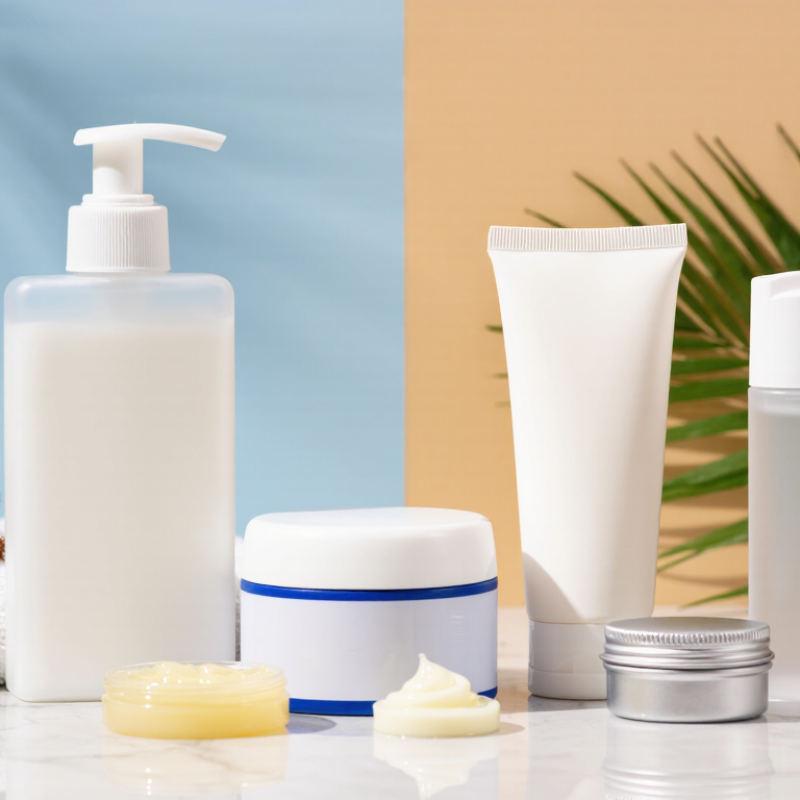
7 Best Ways to Select Body Care Products for Different Seasons?

Understand How Seasonal Changes Affect Your Skin

Seasonal changes can alter your skin barrier, oil production, and sensitivity. Cold air usually holds less moisture, while indoor heating can increase dryness. The U.S. Environmental Protection Agency recommends indoor humidity between 30% and 50%, a useful target for winter comfort. The American Academy of Dermatology also recommends broad-spectrum SPF 30 or higher year-round, not only during summer.

Seven practical adjustments can make body care more responsive. Track temperature and humidity before changing products. Use a gentle, fragrance-free cleanser when skin feels tight. Choose a richer cream for cold months, especially after bathing. Apply moisturizer to damp skin within a few minutes. During hot weather, select lighter textures and wash sweat from areas prone to friction. Reapply sunscreen after swimming or heavy sweating. Patch-test new products for several days, because seasonal sensitivity can appear unexpectedly.

Do not ignore small changes.

Clinical guidance supports these habits, but personal experience still matters. I once changed too many products at once and could not identify the irritant. That was careless. Keep a simple record of itching, redness, weather, and product use.

If cracking, swelling, or persistent rash develops, seek a qualified dermatologist. The National Eczema Association notes that fragrance and harsh cleansing agents commonly aggravate sensitive skin, although individual triggers differ. Your routine may need revision. Skin does not follow a fixed calendar.

Choose Textures and Formulas for Warm-Weather Care

Warm weather changes how body skin feels. Heat, sweat, and humidity can make rich creams feel sticky. I usually choose lightweight lotions, gel-creams, or fluid emulsions for daytime use. These textures spread quickly and leave less residue under clothing. Keep it light. However, dry elbows, knees, and heels may still need a thicker cream at night. Skin varies, even during summer.

Look for formulas with humectants, such as glycerin, to attract water to the skin’s surface. Ceramides and simple emollients can support the skin barrier without feeling overly heavy. If your skin becomes oily or sweaty, avoid layering several rich products. One well-formulated moisturizer may be enough. Fragrance-free options can be a sensible choice for easily irritated skin, although “natural” fragrance is not automatically gentler.

I once used a dense body butter after an outdoor workout and noticed clogged, uncomfortable areas. That choice was not ideal. Now I shower with lukewarm water, pat my skin partly dry, and apply lotion within a few minutes. This helps reduce tightness without creating a greasy film. Patch-test new products on a small area first. Stop using them if burning, swelling, or persistent redness appears. For strong or recurring irritation, professional medical advice is more reliable than online product claims.

7 Best Ways to Select Body Care Products for Different Seasons

Choose textures and formulas that match seasonal heat, humidity, dryness, and sun exposure.

The suitability index ranges from 1 to 5 and reflects practical formulation priorities: lightweight gel and lotion textures are generally more comfortable in warm or humid weather, while richer creams and balms help reduce moisture loss during cold, dry conditions. Broad-spectrum SPF is most important whenever exposed skin receives ultraviolet radiation.

Select Hydrating and Protective Products for Cold Seasons

Cold air bites.

Winter often lowers outdoor humidity, while indoor heating removes more moisture from the air. The U.S. Environmental Protection Agency recommends keeping indoor relative humidity between 30% and 50%. A small hygrometer can help you check the room instead of guessing. I used to choose thick creams only, but that was not always comfortable or practical.

Choose gentle daily care.

Select a gentle, fragrance-free cleanser and use lukewarm water. The American Academy of Dermatology advises limiting showers to five or ten minutes because hot water can weaken the skin barrier. Apply a cream or ointment within three minutes after bathing, while skin still feels slightly damp. Look for ingredients such as glycerin, ceramides, petrolatum, or shea butter. Creams usually protect better than light lotions during freezing weather.

Protect exposed skin outdoors.

Choose a rich hand cream, lip balm, and sunscreen with broad-spectrum SPF 30 or higher. Snow and ice can reflect ultraviolet radiation, even on cloudy days. The Skin Cancer Foundation reports that snow can reflect up to 80% of UV radiation. Wear gloves and cover cracked areas before leaving home.

Not every lotion works. If stinging, swelling, or persistent cracking appears, stop using the product and seek professional advice. My own mistake was adding several new products at once, making irritation impossible to trace. Simpler testing is wiser.

Match Ingredients to Seasonal Skin Concerns

Seasonal body care works best when ingredients match the skin’s current concerns. I used to choose rich creams all year, but summer made my skin feel sticky and congested. Heat, sweat, and friction often need lighter formulas. Look for glycerin, low-strength urea, or panthenol to support hydration without heaviness. A fragrance-free lotion may also reduce irritation after exercise. Keep showers brief.

Cold air can weaken the skin barrier. Choose products containing ceramides, squalane, or petrolatum for dry elbows, knees, and cracked hands. Apply them while skin is still slightly damp. Lukewarm water helps, too. Very hot showers feel comforting, yet they can increase tightness. I still forget this sometimes.

During spring and autumn, reassess instead of changing everything at once. Patch-test new products on a small area for several days, especially when using exfoliating acids or retinoid-related ingredients. Stop if burning, swelling, or a spreading rash appears. For exposed arms and legs, use broad-spectrum sunscreen and reapply during extended outdoor activities. Read ingredient lists carefully, but do not assume “natural” means gentle. Dermatology guidance supports simple routines, though personal tolerance varies. Persistent itching deserves professional advice, not endless product switching.

Test, Adjust, and Rotate Your Body Care Routine Safely

Seasonal body care works best as a small experiment, not a complete product overhaul. In winter, indoor heating can leave shins tight and flaky. In humid summer, sweat may make heavy creams feel sticky. I test one change at a time on a small area, such as the inner forearm. Wait 24 to 48 hours. Stop if burning, swelling, or persistent redness appears. A mild tingle does not prove that a product is effective.

Adjust texture before adding stronger ingredients. Choose a gentle, fragrance-free cleanser when skin feels dry or sensitive. Apply moisturizer while skin is slightly damp after bathing. Avoid exfoliating rough patches every day, because repeated friction may weaken the skin barrier. A dermatologist or qualified healthcare professional can help identify irritation, allergy, or an underlying skin condition. Seek advice sooner if symptoms spread or do not improve.

Rotate products by skin needs, not by a strict calendar. Keep a richer moisturizer for cold evenings and a lighter lotion for warm mornings. Begin exfoliation once weekly, then reduce it if skin feels tender. Keep it simple. I have changed several products at once, making the cause of irritation impossible to identify. Now, I record product dates, weather, and skin reactions in my notes. That imperfect habit makes each adjustment safer and more informed.

7 Best Ways to Select Body Care Products for Different Seasons: Test, Adjust, and Rotate Your Body Care Routine Safely

No. Season Selection Focus Recommended Product Strategy How to Adjust Safe Testing and Rotation Guidance
1 Winter Restore moisture and reduce dryness Choose a fragrance-free cream or ointment containing humectants and emollients, such as glycerin, petrolatum, or ceramides. Apply while skin is still slightly damp after bathing. Use after bathing and whenever tightness or flaking appears. Patch-test new products on a small area for 24–48 hours. Avoid very hot, prolonged showers because hot water can worsen dry skin.
2 Spring Simplify products as humidity rises Move from heavy ointments to a lighter lotion if the skin no longer feels dry. Keep a gentle, non-abrasive cleanser and avoid adding several new products at once. Reassess every 1–2 weeks as temperature and humidity change. Introduce only one new formula at a time. Stop using a product if persistent burning, swelling, or a spreading rash develops.
3 Summer Manage sweat, oil, and sun exposure Select lightweight, non-comedogenic moisturizers when needed and use broad-spectrum sunscreen with SPF 30 or higher on exposed skin. Reapply sunscreen after swimming, sweating, or towel drying. Apply sunscreen before outdoor exposure and reapply at least every 2 hours when outdoors, according to label directions. Do not treat sunscreen as a substitute for shade or protective clothing. Rinse sweat and salt after exercise or swimming to reduce irritation.
4 Autumn Prepare for cooler, drier air Gradually switch to a richer lotion or cream when the skin begins to feel tight. Continue sunscreen on exposed areas because ultraviolet exposure occurs year-round. Increase moisturizer use as indoor heating and cooler weather reduce skin comfort. Keep the routine stable during the transition. Avoid starting exfoliating acids, retinoids, and fragranced products simultaneously.
5 All Seasons Match products to skin needs, not trends For sensitive or eczema-prone skin, prefer fragrance-free products with a short ingredient list. For normal skin, choose the lightest texture that maintains comfort without stinging or excessive residue. Review skin comfort, dryness, itching, and irritation at least monthly. “Natural” does not automatically mean non-irritating. Essential oils and fragrance ingredients may trigger reactions in some people.
6 All Seasons Test before fully replacing a routine Apply a small amount of the new product to an inconspicuous area, such as the inner forearm. If no reaction occurs, expand use gradually rather than applying it everywhere immediately. Test each new product separately, especially when introducing active ingredients. A small-area test cannot guarantee zero irritation. Seek medical advice for severe swelling, blistering, breathing difficulty, or rapidly worsening symptoms.
7 All Seasons Rotate carefully and track results Keep a basic routine of gentle cleansing, moisturizing, and sun protection. Change one variable at a time and record the product, start date, skin response, and weather conditions. Evaluate a moisturizer over several days; allow longer observation for products targeting texture or pigmentation. Do not rotate products simply because of the season if the current routine is working. Discard products that change smell, color, or texture, and follow the package expiration guidance.

General note: Skin needs vary by climate, bathing habits, age, and medical conditions. Persistent dryness, itching, pain, or rash should be assessed by a qualified healthcare professional.

FAQS

How does cold weather affect the skin?

Cold air contains less moisture, and indoor heating can make skin feel tight or flaky. Shins often show dryness first. Use a richer cream after bathing.

What indoor humidity level may improve winter comfort?

Keep indoor humidity between 30% and 50%. A small hygrometer can measure the room accurately. Guessing is less reliable.

How should I wash dry or sensitive skin?

Use a gentle, fragrance-free cleanser and lukewarm water. Limit showers to five or ten minutes. Hot water may weaken the skin barrier.

When should I apply moisturizer after bathing?

Apply cream or ointment within three minutes. Skin should remain slightly damp. Useful ingredients include glycerin, ceramides, petrolatum, and shea butter.

How should body care change during hot weather?

Choose lighter textures when sweat makes heavy creams uncomfortable. Wash sweat from areas affected by friction. Dry those areas gently.

How can I test a new body-care product?

Test one product on a small area, such as the inner forearm. Wait 24 to 48 hours. Stop if burning, swelling, or lasting redness appears.

Should sunscreen be used only in summer?

Use broad-spectrum SPF 30 or higher throughout the year. Snow and ice can reflect strong ultraviolet radiation. Reapply after swimming or heavy sweating.

How often should I exfoliate rough skin?

Begin once weekly and reduce the frequency if skin feels tender. Daily exfoliation may damage the skin barrier. Rougher is not always healthier.

What should I do if irritation continues?

Stop the suspected product and record redness, itching, weather, and product use. Seek qualified medical advice if cracking, swelling, or persistent rash develops. Keep it simple.

Conclusion

Learning how to select body care products for different seasons starts with understanding how weather affects your skin. Heat and humidity may increase sweat, oil, and congestion, so lightweight, fast-absorbing lotions, gels, and gentle cleansing formulas can help maintain comfort without feeling heavy. In colder months, low humidity, wind, and indoor heating can cause dryness and sensitivity, making richer creams, nourishing oils, and protective products more suitable. Adjusting product textures and application frequency as the climate changes can help support the skin barrier throughout the year.

A successful seasonal routine should also match ingredients to specific concerns, such as soothing ingredients for irritation or moisture-supporting ingredients for dryness. Introduce new products gradually, patch test when appropriate, and observe how your skin responds before making them part of your routine. By testing, adjusting, and rotating products safely, you can keep your body care routine practical, comfortable, and responsive to seasonal needs.

Isabella

Isabella

Isabella is a dedicated marketing professional with a sharp focus on driving brand growth and engagement through strategic content creation. With an extensive background in digital marketing, she combines her passion for storytelling with her keen understanding of industry trends to deliver......