Achieving smooth, glowing skin rarely depends on one expensive product or an overnight miracle. The more realistic question is how to achieve smooth and glowing skin through consistent, evidence-informed habits. Healthy skin usually begins with a gentle cleanser, a suitable moisturizer, and daily broad-spectrum sunscreen. These simple steps protect the skin barrier while reducing dryness, rough texture, and visible sun damage.
Small details matter. A tight, burning feeling after cleansing may signal irritation, not cleanliness. A rough patch near the cheeks may need hydration, not stronger exfoliation. Dermatologists commonly recommend introducing active ingredients slowly, especially retinoids, vitamin C, or exfoliating acids. Patch testing can help identify avoidable reactions. Still, skincare is personal. A routine that gives one person a soft, dewy finish may cause another person redness or breakouts.
Consistency matters more than complexity.
This guide will examine practical ways to support a smoother complexion, including cleansing, moisturizing, sun protection, gentle exfoliation, and lifestyle choices. It will also question popular assumptions, such as the belief that tingling proves a product works. Sometimes, that sensation means the skin is becoming stressed. Results may take several weeks, and progress may not look perfectly linear. Persistent acne, painful inflammation, sudden pigmentation, or severe sensitivity deserves professional assessment. Reliable skincare should make the skin feel calmer, stronger, and more comfortable—not merely shinier for a few hours.
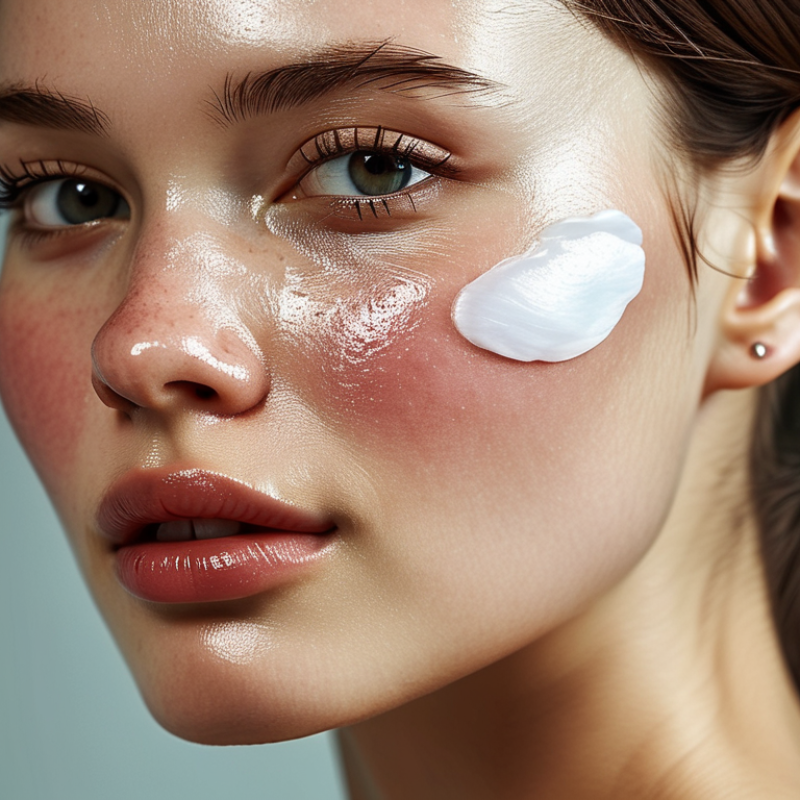
Smooth, glowing skin is shaped by more than a skincare routine. Genetics, age, hormones, climate, sleep, and stress all influence texture and brightness. The skin barrier matters too. When it loses water, the surface may feel tight, rough, or flaky. Gentle cleansing and regular moisturising can support this barrier. Daily sun protection also helps reduce uneven tone and visible skin damage.
I once assumed that stronger exfoliation would create faster results. It often made the skin more sensitive instead. This is an important reminder: “glowing” skin should not feel burning or painfully tight. Choose mild products, introduce one change at a time, and observe your skin for several weeks. Patch testing is sensible, especially when trying products containing acids or retinoids. Persistent redness, acne, itching, or sudden changes deserve advice from a qualified dermatologist.
Tips: Keep showers warm, not hot. Pat skin dry gently. Apply moisturiser while skin is slightly damp. Wash pillowcases regularly. Eat balanced meals and drink enough water, but do not expect water alone to transform your complexion. Sleep also affects how tired and dull skin may appear. Results are rarely immediate. Consistency helps, although even a careful routine may need adjustment.
| Skin Factor | How It Affects Smoothness or Glow | Evidence-Based Practice | Useful Frequency or Timing | Important Consideration |
|---|---|---|---|---|
| Daily UV Exposure | Ultraviolet radiation can accelerate collagen breakdown, uneven pigmentation, rough texture, and visible skin aging. | Use broad-spectrum sunscreen with SPF 30 or higher, seek shade, and wear protective clothing and a wide-brimmed hat. | Apply every morning; reapply after swimming, sweating, or prolonged outdoor exposure. | UV protection is important even when the immediate goal is a brighter-looking complexion. |
| Skin Barrier Function | A weakened barrier may increase water loss, dryness, tightness, sensitivity, and flaking, making skin look dull and uneven. | Use a gentle, non-abrasive cleanser and apply a moisturizer suited to the skin’s needs. | Cleanse gently once or twice daily and moisturize after cleansing. | Avoid very hot water, harsh scrubbing, and frequent use of products that cause burning or stinging. |
| Cleansing Habits | Oil, sweat, makeup, and environmental particles can accumulate on the skin, while over-cleansing can cause dryness and irritation. | Choose a mild cleanser and rinse thoroughly with lukewarm water. | Morning and evening, or after heavy sweating when needed. | The best cleanser is one that removes buildup without leaving the skin tight or uncomfortable. |
| Hydration | Adequate moisture helps reduce the appearance of fine dry lines and supports a softer, more supple surface. | Use a moisturizer containing water-binding or barrier-supportive ingredients, selected according to skin type. | Apply while skin is slightly damp after cleansing. | Dry and oily skin can both benefit from moisturization; product texture may differ. |
| Exfoliation | Removing excess surface cells can improve the appearance of texture, but excessive exfoliation can increase irritation and dryness. | If appropriate, introduce a gentle chemical exfoliant gradually rather than using aggressive scrubs. | Start once weekly and adjust only if the skin remains comfortable. | Do not exfoliate irritated, sunburned, cracked, or actively inflamed skin. |
| Acne and Inflammation | Blocked pores and inflammation can create uneven texture, redness, and marks that affect overall radiance. | Use non-comedogenic skin-care products and avoid picking or squeezing blemishes. | Follow a consistent routine for several weeks rather than changing products frequently. | Persistent, painful, or scarring acne may require assessment by a qualified dermatologist. |
| Sleep Quality | Insufficient sleep may affect the appearance of tiredness and can interfere with the body’s normal repair processes. | Maintain a regular sleep schedule and aim for the amount of sleep recommended for your age. | Support healthy sleep habits every night. | Adults generally need at least 7 hours of sleep per night, although individual needs vary. |
| Nutrition and Hydration | A balanced diet provides nutrients needed for normal skin structure and overall health; inadequate intake may affect skin appearance. | Eat a varied diet containing vegetables, fruit, protein, whole grains, and healthy fats, and drink fluids according to thirst and medical needs. | Maintain consistently rather than relying on short-term “glow” diets. | Supplements are not automatically necessary and should be discussed with a healthcare professional when appropriate. |
| Stress and Hormonal Changes | Stress and hormonal fluctuations may influence oil production, sensitivity, breakouts, or pigmentation in some people. | Use stress-management practices such as physical activity, relaxation techniques, social support, and adequate sleep. | Practice regularly as part of a sustainable lifestyle. | Sudden or severe skin changes may warrant medical evaluation. |
| Consistency and Patience | Skin improvements usually depend on repeated, appropriate care rather than a single treatment or immediate result. | Keep a simple routine: gentle cleansing, moisturization, and daily sun protection; add targeted products one at a time. | Evaluate tolerance and progress over several weeks. | Patch-test new products when possible and stop use if significant irritation develops. |
Note: Skin appearance varies with age, genetics, climate, medications, and medical conditions. Persistent irritation, rapidly changing pigmentation, or painful skin problems should be evaluated by a qualified healthcare professional.
Genetics, age, hormones, climate, sleep, and stress all influence skin texture. The skin barrier matters. When it loses water, skin may feel tight, rough, or flaky.
Cleanse gently at night and moisturise while your skin is slightly damp. Apply broad-spectrum sunscreen every morning. Consistency helps, but routines sometimes need adjustment.
Ultraviolet rays can worsen uneven tone, dryness, and fine lines over time. Apply sunscreen to your face, ears, neck, and hands. Clouds do not block every ray.
Reapply sunscreen after swimming, sweating, or long outdoor exposure. Wear a hat and choose shaded walkways. Remember the hairline and jaw.
Not always. Strong exfoliation may cause sensitivity, burning, redness, or painful tightness. Use mild products and change one thing at a time. I once overdid it.
Patch test before applying them widely, especially with reactive skin. Start carefully and observe your skin for several weeks. Irritation is not proof of effectiveness.
Dust, smoke, wind, and dry indoor air may increase tightness and roughness. Gently cleanse at night and moisturise afterward. Harsh scrubs may worsen discomfort.
Balanced meals, enough water, and regular sleep support overall wellbeing. They may reduce a tired or dull appearance. Water alone will not transform your complexion.
Consult a qualified dermatologist for persistent redness, itching, acne, burning, or sudden changes. Persistent dark patches also deserve attention. Small symptoms can matter.
Achieving smooth, glowing skin begins with understanding the factors that influence its appearance, including hydration, natural skin renewal, lifestyle habits, stress, sleep, and environmental exposure. A consistent daily skincare routine can help maintain balance by gently cleansing the skin, replenishing moisture, and avoiding excessive friction or overuse of products. Learning how to achieve smooth and glowing skin also means choosing ingredients that support hydration, encourage gentle renewal, and promote a more even-looking complexion without overwhelming the skin.
Sun protection is essential for limiting damage caused by daily UV exposure, while reducing contact with pollution and maintaining healthy habits can support long-term results. Skincare should be adjusted gradually according to seasonal changes, sensitivity, and the skin’s evolving needs. With patience, consistency, sufficient hydration, balanced nutrition, and thoughtful product choices, the skin can look healthier, softer, and more radiant over time.

 NBW Beauty