When choosing body care products, many consumers wonder, "what is the difference between body lotion and body cream?" According to skincare expert Dr. Emily Wang, "The distinction lies in their formulation and intended use." Body lotions typically have a lighter texture and higher water content. They absorb quickly and are ideal for daily hydration.
In contrast, body creams are thicker and often richer in oils. They provide a more intense moisture barrier, making them suitable for drier skin types or harsh weather conditions. Dr. Wang recommends using body creams for nighttime routines or during winter months.
The choice between the two can be confusing. Understanding your skin type and moisture needs can guide your decision. Ultimately, both products serve unique purposes, catering to diverse skin requirements and preferences.
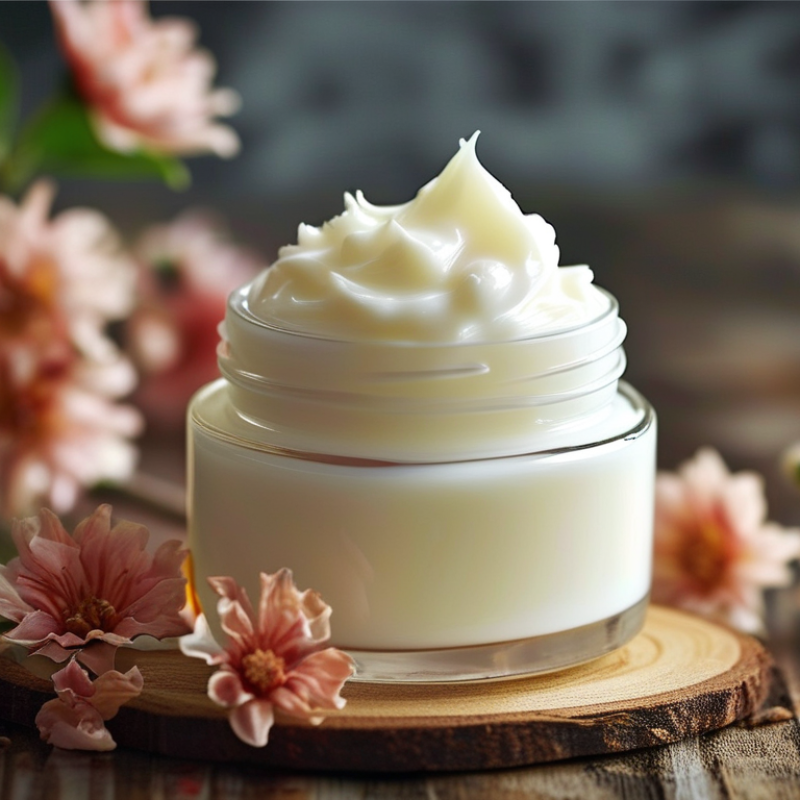
When exploring the differences between body lotion and body cream, texture plays a crucial role. Body lotions are generally lighter and have a higher water content, making them ideal for daytime use. They absorb quickly into the skin, providing a refreshing feel. According to a study by the Personal Care Products Council, around 75% of consumers prefer lotions for daily hydration due to their non-greasy texture.
In contrast, body creams are richer and thicker, containing more oils and butters. They create a barrier on the skin, sealing in moisture. This makes them suitable for night-time application or for those with excessively dry skin. Research indicates that body creams can provide up to 30% more hydration than lotions, making them more effective in combating dryness after long-term use.
Many users still face challenges deciding which product to choose. Some find lotions insufficient for their dry skin needs, while others may find creams too heavy for everyday wear. Ultimately, understanding your skin type and your hydration requirements can guide you. Experimentation may lead to a better fit, yet the quest for the perfect moisturizer can remain elusive.
When comparing body lotion and body cream, the ingredient list is crucial. Body lotions typically contain a higher water content, making them lighter and easily absorbed. According to industry reports, lotions usually have a water percentage of 70% or more. This enables quick hydration, ideal for normal to slightly dry skin. They often include humectants like glycerin, which draw moisture from the environment.
On the other hand, body creams are thicker due to a higher oil content. They usually consist of about 30% water and 40% oils or butters. This makes them suitable for extreme dryness and rough skin, providing a protective barrier. Ingredients like shea butter and cocoa butter are common, offering intense nourishment. Studies have shown that creams improve skin barrier function more effectively than lotions, particularly in dry climates.
However, not all formulations work for everyone. Some individuals find body creams too greasy or heavy for daily use. Conversely, those with severely dry skin may find lotions inadequate for their needs. Finding the right balance between hydration and texture can be challenging. Understanding the unique qualities of each product is essential for making an informed choice. It's important to experiment and observe skin reactions to determine what works best for you.
When choosing between body lotion and body cream, hydration plays a vital role. Both products aim to moisturize, but their formulations differ significantly. Body lotions typically contain more water and lighter oils. This structure allows for quick absorption, making them great for daily use. In contrast, body creams are richer, with a higher oil content. This makes them ideal for very dry skin or harsher climates.
Users often find that body creams provide longer-lasting hydration. This is partly due to their thicker texture, which forms a barrier on the skin. However, they can feel greasy for some, leading to discomfort in humid weather. Despite their hydrating capabilities, it’s essential to be mindful of skin types. Sensitive skin may react differently to certain ingredients found in creams.
While both products offer moisturizing benefits, they serve distinct purposes. In some cases, individuals might prefer using a lotion for daytime and a cream at night. Experimentation can lead to perfecting a skincare routine, but it's crucial to remain aware of how each product affects your skin. This reflective approach can optimize hydration levels effectively.
When deciding between body lotion and body cream, consider your skin's needs. Body lotion is typically thinner and lighter. It absorbs quickly, making it ideal for daily use. Use lotion in warm weather or on normal skin. It's refreshing and won’t leave you greasy.
Body cream, on the other hand, is thicker and richer. It provides intense hydration and is perfect for dry skin or winter months. If your skin feels rough or tight, you might want to reach for a cream. It takes longer to absorb but offers lasting moisture.
Many people struggle to choose the right product. Some prefer the quick absorption of lotion but find it inadequate in winter. Others enjoy the soothing nature of cream but dislike the heavy feel. Assess your skin's condition regularly. Remember, the best choice varies with seasons and personal preference. Understanding these differences can lead to healthier skin.
When choosing between body lotion and body cream, understanding your skin type is crucial. Body lotions are lighter and ideal for normal to slightly dry skin. They absorb quickly and provide hydration without feeling greasy. If you have oily skin, a lotion can be your best friend. It offers moisture without adding excess oil.
On the other hand, body creams are richer and thicker. They excel on dry and sensitive skin. Creams form a protective barrier, sealing in moisture and offering deeper hydration. If your skin feels tight or rough, a cream can bring relief. However, overusing a heavy cream may lead to clogged pores. It's a balance worth considering.
Ultimately, experimenting with both products can help you discover what works best. Many find that lotions are great for everyday use, while creams are beneficial during colder months. Be open to adjusting your routine based on your skin’s changing needs. Listen to your skin. What feels right today might differ tomorrow.
: Body lotion is lighter and has more water, while body cream is thicker and richer in oils.
Use body lotion during the day for normal to slightly dry skin. It absorbs quickly and feels refreshing.
Body cream is best for dry, sensitive skin. It provides deeper hydration and seals in moisture effectively.
Yes, lotions are suitable for oily skin. They hydrate without adding excess oil, keeping the skin balanced.
If your skin feels tight, consider using a body cream. It offers relief by forming a protective moisture barrier.
Understanding your skin type helps. Experiment with both products to find the one that meets your hydration needs.
While beneficial, overusing body cream can clog pores. Balance is key; listen to your skin's needs.
In colder months, you might prefer creams for added moisture. Adjust your routine based on seasonal skin changes.
Not everyone. Some find lotions insufficient for dry skin, while others feel creams are too heavy for daily use.
The perfect moisturizer can be elusive. Keep experimenting and pay attention to how your skin responds.
When considering skincare options, many people ask, "what is the difference between body lotion and body cream?" The primary distinction lies in their texture and hydration levels. Body lotion typically has a lighter consistency and is more suitable for normal to slightly dry skin, providing a refreshing feel. In contrast, body cream is thicker and creamier, designed to offer more intensive moisturization for very dry or rough skin.
Additionally, the ingredient composition varies between the two; body creams often contain higher concentrations of emollients and occlusives for deeper hydration. Understanding when to use each product is key; body lotions are perfect for daily wear and warmer weather, while creams are ideal for nighttime use or colder conditions. Ultimately, knowing your skin type can help you choose the right product, ensuring optimal hydration and skin health.
