As consumers increasingly prioritize wellness, the demand for natural body care products has surged. According to a recent market report by Grand View Research, the global natural skincare market size is expected to reach $13.2 billion by 2027, indicating significant growth. This trend reflects a broader movement towards cleaner, safer alternatives in personal care. However, many still wonder, "what are the benefits of natural body care products?"
Dr. Rachel Adams, a leading skincare expert and author, emphasizes the importance of natural ingredients. She states, "Natural products not only nourish the skin but also support overall well-being." Various studies highlight that these products often contain fewer irritants and harmful chemicals, reducing adverse reactions. While the allure of botanical ingredients is clear, not all natural products are created equal. Some may not deliver promised results.
Ultimately, choosing the right natural body care product requires knowledge and discernment. Consumers must consider ingredient sourcing and product formulation to ensure efficacy. As the market evolves, staying informed about product benefits is crucial for making wise choices.
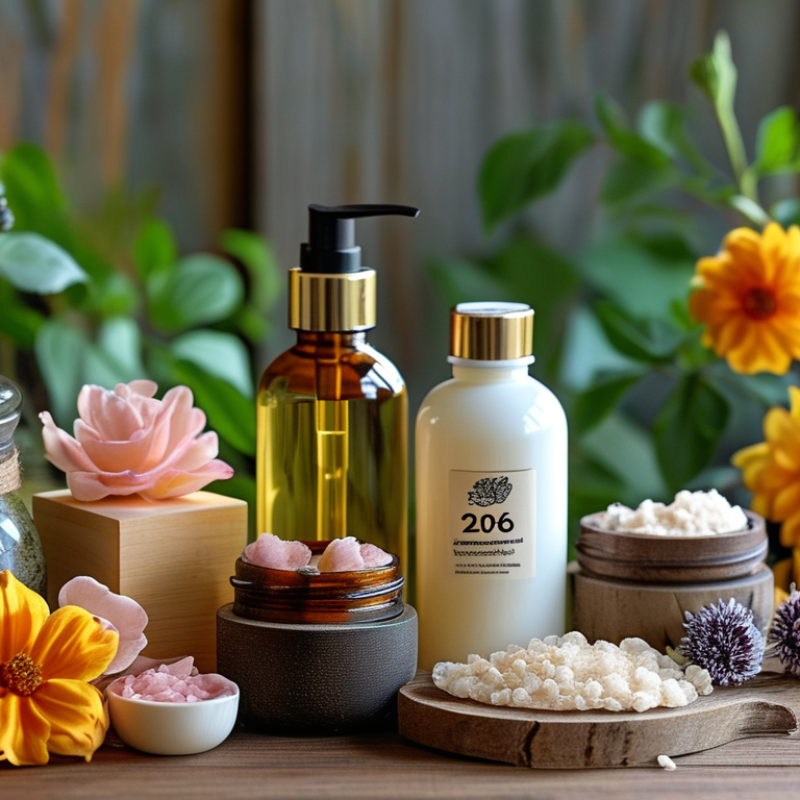
Natural body care products are becoming popular for many reasons. These products often contain plant-based ingredients, making them a safer choice for your skin. Understanding their benefits can help you make informed decisions.
When choosing natural body care, consider your skin type. Some ingredients are better suited for dry skin, while others work well for oily skin. It's essential to read labels carefully. Not all products labeled "natural" are truly free of harsh chemicals.
Experimenting with different products may lead to unexpected results. You might find a product that works for you, but it may not suit others. Keep track of how your skin reacts over time. Changes can occur due to seasons, diet, or stress levels. Be patient and willing to adjust your routine as needed.
When selecting natural body care products, it’s essential to identify key ingredients that truly benefit your skin. Look for components like shea butter and coconut oil, which provide deep moisture. These ingredients are rich in fatty acids and help to create a protective barrier on your skin. Natural oils can often reduce the risk of irritation.
Essential oils are another area to explore. Oils such as lavender and tea tree are not just fragrant; they offer therapeutic properties too. Lavender can soothe stress, while tea tree oil has antibacterial benefits. Ensure you're choosing products that highlight these beneficial minerals.
Tips for Choosing: Always check the labels for natural, organic certifications. If an ingredient list is long or complex, it’s worth questioning its purity. Be cautious with fragrances, as synthetic ones can cause skin reactions.
Remember that everyone’s skin reacts differently. What works for one person might not work for you. It’s okay to try different products until you find what suits your skin best. Embrace the journey to discover your ideal natural body care routine.
| Ingredient | Benefits | Common Uses | Skin Types |
|---|---|---|---|
| Aloe Vera | Soothes irritation, hydrates skin | Moisturizers, gels | All skin types, sensitive skin |
| Coconut Oil | Moisturizes, antimicrobial properties | Lotions, creams, hair care | Dry, normal skin |
| Shea Butter | Deeply moisturizing, rich in vitamins | Balms, lotions | Dry skin, sensitive skin |
| Tea Tree Oil | Antibacterial, reduces acne | Face washes, spot treatments | Oily, acne-prone skin |
| Jojoba Oil | Balances oil production, hydrates | Moisturizers, hair treatments | All skin types |
| Honey | Antibacterial, hydrates | Masks, moisturizers | All skin types |
Choosing natural body care products has become essential for many people today. These products often contain fewer synthetic ingredients. They are gentler on the skin and the environment. Natural ingredients, like shea butter and coconut oil, nourish the skin deeply. Such components have a long history of being used for skincare, adding to their credibility.
Using products with natural elements can reduce skin irritation. Many people experience allergic reactions to synthetic additives. They may also benefit from the antioxidant properties found in botanical extracts. However, individual responses can vary. What works for one person might not work for another. It’s crucial to research and test products thoroughly. Start by checking the ingredient list. Opt for products with recognizable components to ensure safety.
The packaging and sourcing of these products also matter. Eco-friendly brands highlight sustainable practices, which can be a reflection of their overall quality. However, not all claims are as transparent as they should be. This creates an opportunity for consumers to become more informed. Always seek reputable sources and reviews. Understanding the ingredients will empower your choices in body care.
When selecting natural body care products, it's essential to be aware of the harmful chemicals often hidden in labels. Many products contain synthetic ingredients that can irritate the skin or cause long-term health issues. For instance, parabens are commonly used as preservatives but may disrupt hormonal balance.
Another ingredient to avoid is sulfates. These harsh surfactants strip the skin of its natural oils, leading to dryness and irritation. Fragrance, often listed simply as “fragrance” or “parfum,” can be a cocktail of undisclosed chemicals. It may trigger allergies or disrupt the respiratory system.
Tips: Always read ingredient lists carefully. If you see anything unfamiliar, research it before purchasing. Opt for products that use natural ingredients. Organic options can be kinder to your skin. Remember, just because a product claims to be "natural" doesn't mean it's completely free from harmful substances. Stay informed and advocate for your body’s health.
Choosing the right natural body care products involves understanding your unique needs. Start by identifying your skin type. Is it dry, oily, or sensitive? This will guide your selection. Look for ingredients like shea butter for moisture or aloe vera for soothing effects.
Consider the product's scent. Natural fragrances can enhance your experience, but they may also irritate sensitive skin. Always check for hypoallergenic labels. A good product should nourish without causing reactions.
Reading reviews adds another layer. Seek firsthand accounts from users with similar needs. However, not every rave review is reliable. Some experiences may not align with yours. Balance these insights with your own preferences. Trust your instincts as you explore the world of natural body care.
: They often contain plant-based ingredients, making them safer for your skin.
Consider your skin type and choose ingredients that suit it best.
No, not all products are genuinely free from harsh chemicals despite the label.
Look for shea butter and coconut oil for moisture and protection.
Yes, oils like lavender and tea tree offer therapeutic and antibacterial properties.
Keep track of your skin's reactions and be ready to adjust your routine.
Changes in skin can take time; monitor how your skin responds over multiple uses.
Question its purity and consider choosing simpler products.
Yes, they may lead to skin reactions, so be cautious.
Absolutely, it’s part of discovering what works best for you.
In the quest for healthier skin, many are turning to natural body care products. This guide emphasizes the importance of understanding what are the benefits of natural body care products, which primarily include the use of safe, non-toxic ingredients that nourish the skin without harsh chemicals. Key ingredients such as plant oils, botanical extracts, and natural vitamins are highlighted, offering various advantages for different skin types.
Evaluating these products involves discerning their ingredient lists to avoid common harmful chemicals such as parabens and sulfates. When selecting the right natural body care products, it is essential to consider personal skin needs and preferences. By following this comprehensive approach, individuals can make informed choices that align with their values and promote overall skin health.
