Top Ways to Identify Quality Skincare Products?

Time:2026-10-18 Author:Isabella
0%

Choosing skincare should involve more than attractive packaging, luxury pricing, or promises of instant transformation. Learning how to identify quality skincare products begins with examining evidence, formulation details, and your own skin’s response. A reliable product usually lists complete ingredients, clear usage instructions, responsible manufacturer information, and suitable storage guidance. The ingredient list can reveal useful clues. Humectants such as glycerin support hydration, while ceramides may help strengthen the skin barrier. However, one ingredient cannot guarantee excellent performance.

Look closely. Then question the claims.

Professional advice also matters, especially when dealing with persistent acne, eczema, rosacea, or sudden irritation. Dermatologists and qualified pharmacists can help interpret ingredients and recommend safer choices for individual skin conditions. A small patch test behind the ear or on the inner arm may identify irritation before full application, although it cannot predict every reaction. Fragrance, essential oils, and strong exfoliating acids are not automatically harmful, but they may challenge sensitive skin. Quality also depends on freshness, packaging, and handling. A poorly sealed jar left in a hot bathroom may deteriorate faster than expected.

No checklist is perfect. I have sometimes trusted elegant packaging too quickly, and that is a useful warning. A product can be popular yet unsuitable for your skin. It can also be affordable and well formulated. This guide explores practical ways to compare labels, assess brand transparency, recognize realistic claims, and monitor results over time. Careful observation remains more dependable than impulse.
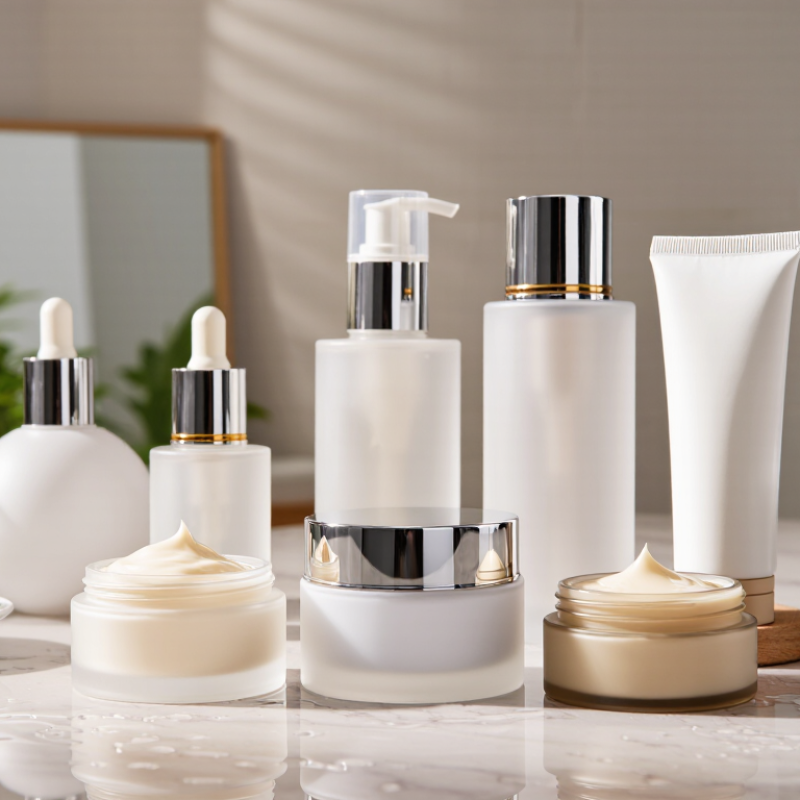
Top Ways to Identify Quality Skincare Products?

Define What Makes a Skincare Product High Quality

A high-quality skincare product begins with a clear purpose, not an impressive promise. Check the ingredient list and identify useful components near the top. A gentle cleanser, for example, should remove sunscreen without leaving skin tight or squeaky. I have learned that “natural” does not always mean safer. Skin can react to botanical extracts, fragrance, or essential oils. Product quality also depends on suitable packaging. Airless pumps and opaque containers can help protect sensitive ingredients from light and air. Still, packaging alone proves very little.

Reliable evidence matters more than dramatic before-and-after photographs. Look for testing information, responsible usage directions, batch details, and realistic claims. A product should explain who may need caution, especially people with eczema, allergies, or very sensitive skin. Patch testing on a small area can reveal irritation before full application. It is not perfect. Reactions may appear later. Personal experience matters, but it can mislead when several products change at once. Keeping a simple skincare diary makes cause and effect easier to examine.

Tips: Compare the label with your skin’s needs. Use one new product at a time. Store it as directed. Notice texture, odor, and color changes. Stop using it if burning, swelling, or persistent redness develops. Professional advice is sensible when symptoms continue. A qualified dermatologist can assess the skin rather than guessing from online comments.

Check Ingredients for Safety, Effectiveness, and Suitability

Top Ways to Identify Quality Skincare Products?

Check Ingredients for Safety, Effectiveness, and Suitability

A quality skincare product begins with a clear, complete ingredient list. I check the first five ingredients because they often shape the product’s main function. Humectants can attract water, while emollients soften rough, dry areas. Some ingredients need suitable concentrations to work well. A familiar name alone proves very little. Marketing language can sound impressive, but evidence matters more.

Safety depends on both the formula and your skin. Fragrance, essential oils, and strong exfoliating acids may irritate sensitive skin. Preservatives are not automatically harmful; they help reduce microbial contamination. I prefer products with transparent directions, stable packaging, and realistic claims. A product promising instant, permanent change deserves careful doubt. Patch testing helps, although it cannot predict every reaction. Try a small area first. Stop if burning or swelling appears.

Suitability is personal. Oily skin may prefer lightweight, non-greasy textures, while dry skin often needs richer creams. Acne-prone users should examine pore-clogging concerns, but ingredient lists cannot guarantee individual results. I once chose an expensive serum because its ingredient list looked advanced. My skin became tight and uncomfortable. I had ignored its alcohol content and used it too often. That mistake still influences my routine. A pharmacist or dermatologist can provide better guidance when irritation persists, especially with active ingredients or ongoing skin conditions.

Top Ways to Identify Quality Skincare Products: Check Ingredients for Safety, Effectiveness, and Suitability

Typical concentration ranges commonly used in leave-on skincare products. The right ingredient and concentration depend on skin type, product stability, formulation pH, and individual tolerance.

Quality products should disclose active ingredients clearly, use suitable concentrations, provide appropriate packaging, and avoid unnecessary irritants. Start gradually and use sunscreen when using exfoliating acids or retinoids.

Evaluate Product Formulation, Packaging, and Stability

Quality skincare begins with its formulation, not attractive claims. Read the ingredient list carefully. Ingredients usually appear in descending concentration, although exceptions exist below one percent. Look for a clear purpose: humectants for hydration, emollients for softness, and well-supported actives for targeted care. A suitable preservative system matters, especially in water-based creams. Strong fragrance is not proof of quality. It may even irritate sensitive skin. Check the product’s intended skin type, usage directions, and stated pH when available.

Packaging protects the formula before your skin ever meets it. Airless pumps, sealed tubes, and opaque containers can reduce exposure to air, fingers, and light. Jars are convenient, but repeated contact may introduce contaminants. Examine the closure, tamper seal, batch details, and expiry information. Small details matter. A loose cap or leaking pump deserves attention.

Stability is easy to overlook.Store the product as directed, then observe changes in color, scent, texture, or separation. A sunscreen or serum that suddenly becomes watery may no longer perform as expected. Heat and bathroom humidity can accelerate deterioration. Do not rely only on a pleasant texture; some changes are subtle. I once judged a cream by its elegant packaging and smooth finish, then realized I had ignored its unclear storage guidance. That was a useful correction. Home observations cannot replace laboratory stability testing, but they can support a more careful purchasing decision.

Assess Brand Transparency, Testing, and Manufacturing Standards

Top Ways to Identify Quality Skincare Products?

A credible skincare product begins with brand transparency. Look for a complete ingredient list, responsible manufacturer, contact details, batch code, and clear storage guidance. Vague phrases such as “clean” or “clinical strength” need supporting evidence. McKinsey’s 2023 beauty report projected the global beauty market could reach about $580 billion by 2027. Such rapid growth makes honest communication more important, not less.

Testing claims should explain what was tested, on whom, and for how long. “Dermatologist tested” alone reveals very little. Stronger evidence includes stability testing, preservative-effectiveness testing, safety assessments, and controlled human-use studies. Check whether the report identifies sample size and testing conditions. I sometimes overvalue attractive packaging. That is a weak quality signal.

Tips: Verify the batch code, examine the seal, and compare the ingredient list with the product page. Ask customer service for testing summaries. If answers stay general, pause.

Manufacturing standards deserve equal attention. ISO 22716 provides guidance for cosmetic Good Manufacturing Practices, including hygiene, documentation, production controls, and quality checks. Facilities following this framework should be able to explain how ingredients are received, measured, tested, and released. Under the United States Modernization of Cosmetics Regulation Act, responsible persons must report serious adverse events within 15 business days. A transparent company should explain its complaint process clearly. No checklist catches everything. Nevertheless, traceability is one of the strongest practical signals of reliability.

Top Ways to Identify Quality Skincare Products? - Assess Brand Transparency, Testing, and Manufacturing Standards

Assessment Dimension What to Check Reliable Evidence Stronger Quality Signal Warning Signs
Full Ingredient Disclosure Look for a complete ingredient list using recognized cosmetic ingredient names, generally listed in descending order by concentration until ingredients reach 1% or less. Product packaging, official product documentation, and an ingredient list that is easy to access before purchase. The formula identifies fragrance, colorants, preservatives, allergens where required, and active ingredients without vague proprietary-labeling practices. “Secret formula,” incomplete lists, unexplained ingredient blends, or claims that no ingredients are needed because the product is natural.
Ingredient Function and Concentration Assess whether the highlighted ingredients have a recognized cosmetic or dermatological purpose and whether the stated concentration is meaningful for the claimed use. Technical product information, published research, and clearly stated concentration ranges where relevant. Claims are specific and realistic, such as supporting skin hydration or improving the appearance of fine lines, rather than promising guaranteed medical results. Ingredient “buzzwords” used without context, dramatic before-and-after promises, or claims to cure diseases without appropriate regulatory authorization.
Safety and Stability Testing Check whether the finished product has been evaluated for physical, chemical, and microbiological stability throughout its intended shelf life. Documentation showing stability studies under relevant temperature, humidity, light, and storage conditions. The product has a justified shelf life, clear storage instructions, and packaging designed to reduce exposure to air, light, or contamination when needed. No expiry or period-after-opening guidance, noticeable changes in smell or texture, or packaging that makes contamination likely.
Preservative and Microbial Control For water-based or jar-packaged products, determine whether an appropriate preservation system and microbial-control process are used. Microbiological quality testing and, where applicable, preservative efficacy or challenge testing on the finished formula. The preservation approach is suitable for the formula, packaging, and expected consumer use rather than relying only on “preservative-free” marketing. Claims that all preservatives are harmful, unexplained changes in color or odor, or products that repeatedly cause irritation or infection-like symptoms.
Manufacturing Standards Verify whether the manufacturing site follows cosmetic Good Manufacturing Practices, commonly associated with ISO 22716 guidance. A verifiable manufacturing standard, documented quality system, batch procedures, sanitation controls, and trained personnel. The manufacturer can identify the production location, quality-control process, and responsible regulatory contact without relying on generic statements. No identifiable manufacturer, unclear production origin, inconsistent packaging, or products sold without traceable batch information.
Batch Traceability Look for a batch or lot code, manufacturing details, and a customer-service route for reporting quality concerns. Visible lot code, production records, retained samples, and documented procedures for handling complaints or product recalls. Each unit can be linked to a specific production batch and the product has a clear, accessible complaint-reporting process. Missing or altered batch codes, labels that vary between units, or no response to safety or quality questions.
Claim Substantiation Evaluate whether performance claims are supported by appropriate testing on the finished product, not only by research on individual ingredients. Human-use studies, instrumental measurements, consumer studies, or other documented methods that match the stated claim. The test population, duration, product-use instructions, and measured outcome are described clearly enough to assess relevance. Testimonials presented as proof, unspecified “clinically proven” language, or results that cannot be connected to the finished product.
Skin Compatibility Testing Check whether the product has undergone appropriate tolerance or irritation assessments for its intended area of use. A documented human patch test, repeat-insult patch test, ophthalmologist assessment for eye-area products, or other suitable evaluation. Testing conditions and limitations are disclosed, and sensitive-skin claims are not treated as a guarantee for every user. Absolute claims such as “zero irritation for everyone,” especially when the formula contains known fragrance allergens or strong actives.
Packaging and Label Accuracy Review the net quantity, directions, warnings, ingredients, contact information, batch code, and storage instructions. Consistent labeling across the package and sales materials, with legally required information presented legibly. The package protects the formula from light, air, moisture, and repeated finger contact when these factors could affect quality. Unclear instructions, missing warnings, misleading quantity claims, or packaging that leaks, separates, or allows excessive contamination.
Supply-Chain Transparency Determine whether the responsible party can explain the origin and quality controls for key ingredients and packaging components. Supplier qualification procedures, incoming-material testing, documented specifications, and traceable purchasing records. The responsible party can explain how raw materials are approved, tested, stored, and linked to finished-product batches. Unverifiable sourcing stories, unsupported purity claims, or frequent unexplained changes in formula or packaging.
Consumer Support and Corrective Action Assess how product questions, adverse reactions, suspected contamination, and recalls are handled. A responsive contact channel, documented adverse-event process, refund or replacement policy, and publicly communicated corrective actions when needed. Questions receive specific, evidence-based answers, and safety issues are investigated rather than dismissed as normal reactions. No contact information, copied generic responses, deleted safety complaints, or pressure to continue using a product that causes significant discomfort.

Note: No single test guarantees that a product will suit every person. Individual skin type, allergies, existing conditions, and product-use habits can affect tolerance and results.

Compare Reviews, Pricing, and Personal Skin Compatibility

Quality skincare is easier to judge when reviews, pricing, and skin compatibility are considered together. Reviews can reveal practical details that product descriptions miss, such as sticky texture, pilling under makeup, or irritation after several uses. I look for repeated patterns from people with similar skin concerns, not one dramatic opinion. Skin comes first.

Price offers useful clues, but it does not prove effectiveness. An expensive formula may contain well-studied ingredients, yet a cheaper product can also meet basic quality standards. Compare the ingredient list, concentration information, packaging, and customer service policies. Reliable educational sources and qualified dermatology professionals can help explain whether a claim sounds reasonable. Reviews alone are not clinical evidence.

Personal compatibility requires patience. Check whether the formula suits oily, dry, sensitive, or acne-prone skin. Apply a small amount to a limited area before using it widely, especially when active ingredients are involved. I once judged a moisturizer too quickly because it felt heavy in the first hour. Later, I realized my skin tolerated it better during colder weather. That changed my testing method. I now track redness, tightness, breakouts, and comfort for several days. Individual experience can mislead, so I compare it with ingredient knowledge and consistent evidence. A product may be well-made and still be wrong for your skin.

FAQS

What makes a skincare product high quality?

It should have a clear purpose, useful ingredients, sensible directions, and realistic claims. Attractive packaging proves very little.

How can I read a skincare ingredient list?

Ingredients usually appear from highest to lowest concentration. Look for suitable humectants, emollients, or well-supported active ingredients.

Does “natural” mean a product is safer?

No. Botanical extracts, fragrance, and essential oils can irritate sensitive skin. “Natural” is not a safety guarantee.

Which packaging features can protect a formula?

Airless pumps, sealed tubes, and opaque containers limit air, light, and finger contact. Check the cap, seal, batch details, and expiry information.

How can I notice possible product deterioration?

Watch for changes in color, smell, texture, or separation. A serum becoming suddenly watery deserves attention. Store products as directed.

Are expensive skincare products more effective?

Not necessarily. A lower-priced formula may meet basic quality standards. Compare ingredients, packaging, evidence, and customer service policies.

How should I test a new skincare product?

Apply a small amount to one limited area first. Use one new product at a time. Reactions can appear later.

What should I do if my skin reacts badly?

Stop using the product if burning, swelling, or lasting redness develops. Seek qualified dermatology advice when symptoms continue.

How useful are online reviews?

Reviews may reveal stickiness, pilling, or delayed irritation. Repeated patterns matter more than one dramatic opinion. Reviews are not clinical evidence.

How can I judge whether a product suits my skin?

Consider whether your skin is oily, dry, sensitive, or acne-prone. Track redness, tightness, breakouts, and comfort for several days. I sometimes judge too quickly.

Conclusion

Learning how to identify quality skincare products starts with understanding what makes a formula reliable, safe, and suitable for your skin. Look for clearly listed ingredients, evidence of beneficial active components, and a formula that matches your skin type and concerns. Consider whether the product is stable, hygienically packaged, and protected from light or air when necessary, as poor packaging can reduce effectiveness over time.

It is also important to evaluate the company’s transparency, product testing, manufacturing practices, and willingness to provide clear usage and safety information. Customer reviews can reveal texture, performance, and possible irritation, but they should be balanced with realistic expectations. Finally, compare the price with the ingredient quality and size rather than assuming that a higher cost guarantees better results. The best choice is a well-formulated product that fits your skin’s needs, budget, and tolerance.

Isabella

Isabella

Isabella is a dedicated marketing professional with a sharp focus on driving brand growth and engagement through strategic content creation. With an extensive background in digital marketing, she combines her passion for storytelling with her keen understanding of industry trends to deliver......