In 2026, healthier skin texture is less about perfection and more about consistent, evidence-informed care. Many people ask how to improve skin texture naturally while avoiding harsh treatments, unrealistic promises, and complicated routines. Uneven texture may come from dryness, clogged pores, sun exposure, acne marks, or normal aging. Identifying the likely cause matters.
Start gently. A mild cleanser, fragrance-free moisturizer, and broad-spectrum sunscreen can support the skin barrier every day. Dermatologists commonly recommend daily sun protection because ultraviolet exposure can worsen roughness, discoloration, and collagen loss. Hydration also matters, but drinking extra water will not instantly erase pores or scars. Realistic expectations protect both your skin and your confidence.
Natural does not always mean harmless. Lemon juice, abrasive scrubs, and undiluted essential oils may irritate the face and leave darker marks, especially on sensitive skin. Instead, introduce one change at a time, patch-test new products, and watch for burning, swelling, or persistent redness. A simple routine is easier to follow, although it may feel too ordinary at first. Results take time.
This guide will explore gentle habits, supportive ingredients, nutrition, sleep, and professional advice for improving texture safely. It will also acknowledge what home care cannot fix. Deep acne scars, sudden changes, or painful rashes deserve evaluation by a qualified dermatologist. Some recommendations may work beautifully for one person and poorly for another. Skin is individual, and careful observation remains essential.
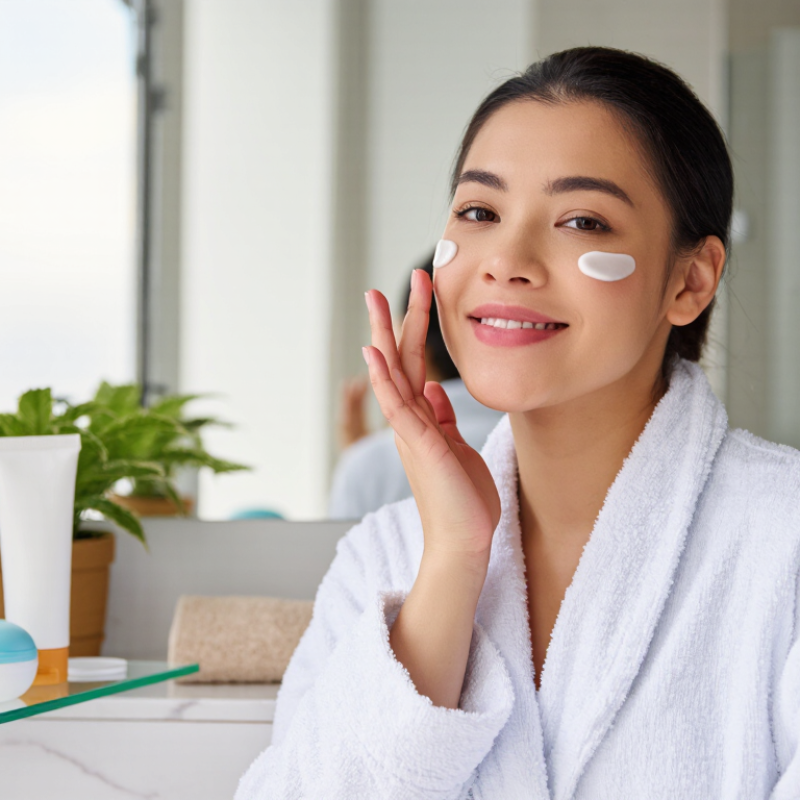
Skin texture describes how evenly skin reflects light and feels to touch. It includes dryness, rough patches, enlarged pores, fine lines, and old blemish marks. Texture is not a single problem. Genetics, age, sun exposure, hormones, inflammation, and climate all shape it. A dry winter can make tiny flakes look more dramatic. Daily ultraviolet exposure can weaken collagen and deepen unevenness over time. Small changes matter.
I once treated roughness as simple dehydration, but scrubbing made my skin more sensitive. That mistake taught me to assess patterns before changing products. Notice when texture appears, where it occurs, and whether it stings or itches. A short skin diary can reveal links with cold air, shaving, stress, or new cosmetics. Gentle cleansing, regular moisturising, and broad-spectrum SPF 30 or higher help protect the barrier and reduce sun-related damage. These steps support healthier-looking texture, but they cannot erase scars or change inherited pore size. Results take time.
Nutrition and sleep also influence recovery, although they are not instant treatments. Adequate protein, colorful plants, and enough water support general skin function. Avoid picking blemishes; repeated pressure can prolong redness and increase marks. If using an exfoliant, begin rarely and stop when burning develops. More is not better. A persistent rash, sudden change, painful bumps, or bleeding spot deserves assessment by a qualified dermatologist. Professional advice matters because acne, eczema, infection, and sun damage can look similar. My routine still needs adjustment; skin responds differently across seasons and life stages. That uncertainty is worth respecting.
identify what “uneven texture” means for your skin. Rough patches may signal dryness, while tiny bumps can relate to clogged pores or irritation. Redness, burning, or sudden changes need more caution. Examine your skin after cleansing, under natural light, and without makeup. Note where the texture appears, how long it has lasted, and what products touched the area.
Persistent itching, pain, or spreading changes deserve assessment from a qualified dermatologist.
Keep a simple seven-day skin diary. Record cleansing, weather, sleep, and flare-ups.
Test one new method on a small area first. Stop if stinging or swelling appears.
Avoid rough scrubs, undiluted acids, and homemade mixtures with uncertain safety.
“Natural” does not always mean gentle.
lukewarm water and a fragrance-free moisturizer may support the skin barrier. Colloidal oatmeal can soothe some dry, sensitive skin when used as directed.
cleanse gently instead of washing repeatedly. Daily broad-spectrum sun protection helps reduce roughness and uneven tone over time.
I used to think more exfoliation meant smoother skin, but that approach often increased irritation.
Skin can look worse before the cause becomes clear, so change one habit at a time and reassess after several weeks.
How to Improve Skin Texture Naturally in 2026?
Building a Gentle Daily Routine for Smoother-Looking Skin
Smoother-looking skin often begins with fewer irritants, not stronger treatments. In the morning, rinse with lukewarm water or use a mild, fragrance-free cleanser. Pat your face dry with a clean, soft towel. Avoid scrubbing, rough brushes, and very hot water, which can disturb the skin barrier.
Apply a simple moisturizer while your skin still feels slightly damp. Choose ingredients such as glycerin or ceramides when possible. Use broad-spectrum sunscreen every day, especially on exposed areas. Sun exposure can worsen uneven tone, roughness, and visible fine lines. Reapply outdoors, after sweating, or after swimming.
At night, cleanse gently and moisturize again. Introduce exfoliation slowly, perhaps once weekly, rather than using several active ingredients together. A dermatologist may recommend an appropriate acid or retinoid for persistent texture concerns. Patch-test new products first, and stop if burning, swelling, or lasting redness develops.
I still overdo it sometimes.
More treatment is not always better. Skin needs time to respond, often several weeks. Sleep, balanced meals, hydration, and avoiding smoking can support overall skin health, but they cannot replace medical care. If rough patches, acne scars, or sudden changes continue, seek advice from a qualified dermatologist. Keeping a small routine diary may reveal which habit actually helps.
Evidence-informed routine elements for supporting smoother-looking, healthier skin
| Routine Area | Recommended Action | Suggested Frequency | How It Supports Skin Texture | Important Considerations |
|---|---|---|---|---|
| Gentle cleansing | Use lukewarm water and a mild, fragrance-free cleanser. Massage lightly with fingertips rather than using a rough cloth or brush. | Morning and evening; cleanse after heavy sweating. | Removes excess oil, sunscreen, makeup, and environmental residue without unnecessary friction. | Very hot water, scrubbing, and over-cleansing can increase dryness and irritation. |
| Hydration | Apply a moisturizer containing humectants such as glycerin or hyaluronic acid, plus barrier-supporting ingredients such as ceramides. | At least twice daily, especially after cleansing. | Helps reduce rough-feeling dryness and temporarily improves the appearance of fine surface lines. | Choose a lighter lotion for oily skin and a richer cream for dry or sensitive skin. |
| Daily sun protection | Use a broad-spectrum sunscreen rated SPF 30 or higher on exposed skin. Reapply after swimming, sweating, or prolonged outdoor activity. | Every morning; reapply as needed outdoors. | Helps limit UV-related collagen damage, uneven pigmentation, and premature roughness. | Use shade, protective clothing, and sunglasses as additional protection. No sunscreen provides complete protection. |
| Gentle chemical exfoliation | Consider a low-strength alpha hydroxy acid, such as lactic or glycolic acid, or a beta hydroxy acid, such as salicylic acid. | Start once weekly; increase only if the skin remains comfortable. | Can help loosen excess surface cells and improve the look of dullness or uneven texture over time. | Do not combine several exfoliating products at once. Stop if burning, swelling, or persistent redness occurs. |
| Retinoid option | For suitable adults, consider a low-strength retinol product at night, introduced gradually and followed by moisturizer. | Begin one or two nights per week; increase slowly if tolerated. | Retinoids can support cell turnover and collagen-related improvements in the appearance of fine lines and uneven texture. | Avoid during pregnancy unless specifically advised by a healthcare professional. Introduce only one active at a time. |
| Barrier protection | Use fragrance-free products and avoid picking, harsh scrubs, alcohol-heavy formulas, and frequent product switching. | Every day. | A stable skin barrier helps reduce flaking, sensitivity, and rough-feeling areas. | Patch-test new products on a small area for several days when practical. |
| Lifestyle support | Prioritize adequate sleep, regular physical activity, a varied diet, and sufficient fluids based on thirst and daily needs. | Maintain consistently. | Supports overall health, although lifestyle changes alone cannot remove established scars or deep wrinkles. | Avoid relying on supplements or “detox” claims without professional guidance. |
| Progress tracking | Take photos in the same lighting and review comfort, dryness, breakouts, and texture rather than judging daily changes. | Review every 4–8 weeks. | Consistent monitoring helps identify whether a routine is tolerable and whether changes are gradual. | Seek dermatology advice for persistent acne, eczema, painful lesions, sudden changes, or suspected scarring. |
Note: Individual results vary. Introduce active ingredients gradually, use sun protection consistently, and consult a qualified healthcare professional for persistent or worsening skin concerns.
How to Improve Skin Texture Naturally in 2026?
Skin texture often reflects daily habits, not one miracle ingredient. Evidence from dermatology and nutrition research supports a varied diet rich in vegetables, fruit, beans, eggs, fish, nuts, and whole grains. These foods provide protein, vitamin C, zinc, and healthy fats for skin structure and repair. Add colorful foods to regular meals. Keep it simple.
Hydration supports the skin barrier, but drinking excessive water will not erase pores or lines. Sip regularly, especially after exercise or in dry weather. Pale-yellow urine can offer a practical hydration clue. Moisture loss also increases with harsh cleansing and hot showers. Use lukewarm water and avoid scrubbing rough areas aggressively. Skin can become irritated before it looks smoother.
Sleep, movement, and stress control matter more than many quick online routines. Aim for consistent sleep and gentle exercise, which may support circulation and recovery. Protect exposed skin from sunlight with shade, clothing, and broad-spectrum sunscreen. Texture rarely changes overnight. That part is frustrating. A common mistake is changing five habits at once, then blaming the skin when results remain unclear. Track one change for several weeks, and notice dryness, sensitivity, or breakouts. Persistent or sudden changes deserve advice from a qualified dermatologist.
Nutrition, hydration, and lifestyle reference targets that support normal skin health
These adult daily reference values provide practical benchmarks for nutrients involved in normal skin function. Individual needs vary by age, sex, pregnancy status, health conditions, and medical advice. A balanced diet, adequate water intake, and consistent sun protection are more reliable than focusing on a single nutrient.
Sources: U.S. National Institutes of Health Office of Dietary Supplements and U.S. Food and Drug Administration Daily Value guidance. Values shown: Vitamin A 900 µg RAE, Vitamin C 90 mg, Vitamin E 15 mg, and Zinc 11 mg for adults.
Improving skin texture naturally requires patience and careful observation. Take a clear photo once a week, using the same lighting, distance, and facial expression. A bathroom window can work well, but avoid harsh overhead light. Note rough patches, dryness, redness, breakouts, and how your skin feels after cleansing.
Change only one part of your routine at a time. This makes progress easier to understand. Gentle cleansing, regular moisturizing, and daily broad-spectrum sunscreen can support the skin barrier. Do not scrub harder when texture looks uneven. That mistake can increase irritation and make small bumps more noticeable. Give a new routine at least four to six weeks, unless discomfort develops earlier.
Watch for burning, swelling, persistent itching, or sudden peeling. Stop the new product and seek advice from a qualified dermatologist if symptoms continue. Patch testing is sensible, although it cannot predict every reaction. I have found that progress rarely looks perfectly steady; one stressful week can bring dryness or blemishes back. That does not always mean the routine has failed. Review sleep, weather, shaving, and product frequency before making another change. If improvement remains unclear after several weeks, a dermatologist can check for conditions that resemble ordinary roughness. Keep notes simple. A short weekly record is more useful than daily judgment.
Eat varied meals with vegetables, fruit, beans, eggs, fish, nuts, and whole grains. These foods provide protein, vitamin C, zinc, and healthy fats. Add colorful ingredients to ordinary plates.
No. Regular hydration supports the skin barrier, but excessive water cannot erase pores or lines. Sip after exercise or during dry weather. Pale-yellow urine offers a practical clue.
Use lukewarm water and gentle cleansing. Avoid aggressive scrubbing, especially on rough areas. Skin may feel irritated before it looks smoother.
Keep a consistent sleep schedule and choose gentle movement. Stress control may also help. These habits are less dramatic than quick routines, but they matter.
Use shade, protective clothing, and daily broad-spectrum sunscreen on exposed areas. Sun protection supports long-term texture. It will not create overnight changes.
Take one clear photo weekly with the same lighting, distance, and expression. A bathroom window may work. Avoid harsh overhead light.
Change one routine element at a time. Give it four to six weeks unless discomfort appears earlier. Changing five habits together makes results difficult to judge.
Stop if burning, swelling, persistent itching, or sudden peeling develops. Seek advice from a qualified dermatologist if symptoms continue. Patch testing helps, but it cannot predict every reaction.
One stressful week, weather change, shaving, or poor sleep may affect texture. Review these details before changing everything again. Progress is rarely perfectly steady.
Seek professional advice for persistent or sudden changes. A dermatologist can check conditions that resemble ordinary roughness. My own judgment may be wrong sometimes.
Improving skin texture naturally starts with understanding what influences it, including dryness, excess oil, clogged pores, sensitivity, sun exposure, stress, and the normal aging process. Before choosing any method, assess your skin’s current needs and identify whether it feels rough, tight, uneven, or congested. This helps you create a gentle daily routine with mild cleansing, appropriate hydration, regular sun protection, and careful exfoliation when needed, while avoiding harsh products or overly frequent treatments.
Learning how to improve skin texture naturally also involves supporting your skin from within. A balanced diet rich in vegetables, fruits, protein, and healthy fats, along with sufficient water, quality sleep, stress management, and regular movement, can contribute to healthier-looking skin. Track changes gradually by observing softness, smoothness, comfort, and sensitivity over several weeks. If irritation develops, simplify your routine and introduce changes one at a time. Consistency and patience are more helpful than quick, aggressive solutions, and persistent concerns may benefit from professional guidance.
