Why Are These the Latest Body Care Trends?

Time:2026-10-08 Author:Isabella
0%

Body care is no longer limited to soap, lotion, and a hurried shower. Shoppers now seek routines that feel effective, calming, and easier to personalize. So, what are the latest body care trends, and why are they gaining attention? The answer begins with a visible shift toward skin-barrier care. Body serums, gentle exfoliating acids, retinoid products, and fragrance-free formulas appear widely. They promise smoother texture, fewer rough patches, and more comfortable skin. Yet attractive packaging is not proof. Ingredient lists matter more than clever claims.

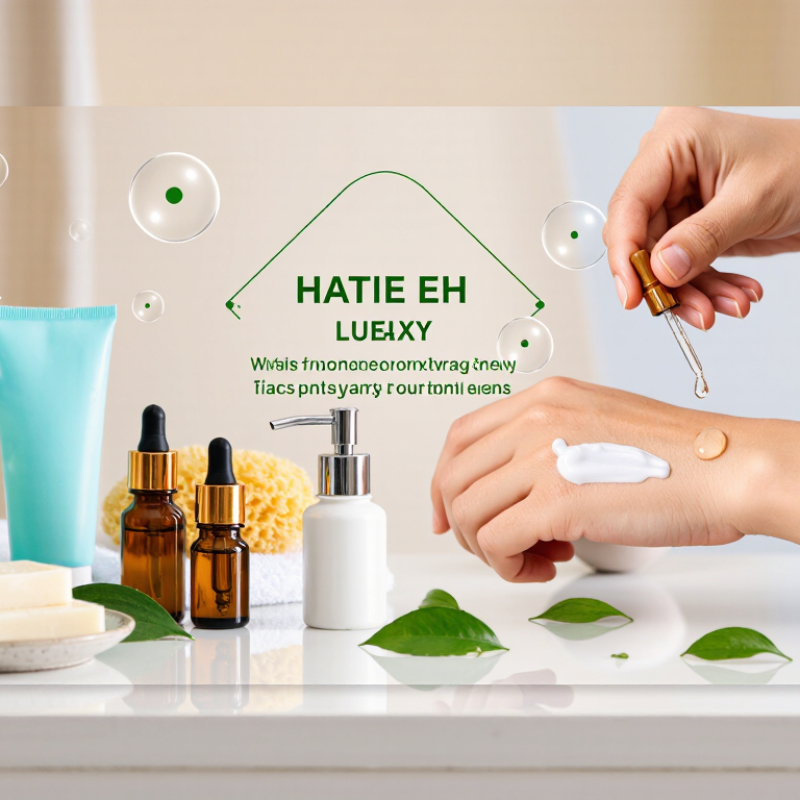
Many people are also treating body care like facial skincare. A few drops of hydrating serum may follow a warm shower, while cream is applied to damp elbows and knees. Dermatologists commonly recommend gradual exfoliation, regular moisturising, and sunscreen for exposed areas. Patch testing remains sensible, especially with acids, retinoids, essential oils, or heavily scented products. Stronger is not always better. Clinical evidence also varies between ingredients, and trendy microbiome-friendly claims may sound more certain than research allows.

Sustainability is shaping the shelf as well. Refillable bottles, concentrated washes, solid bars, and recyclable packaging can reduce waste, although disposal systems differ by location. The most reliable routine may look less exciting: a mild cleanser, a suitable moisturiser, and consistent sun protection. I have noticed that complicated routines often become abandoned routines. That is worth questioning. Trends can introduce useful ideas, but healthy skin still depends on tolerance, consistency, and realistic expectations. A professional assessment is appropriate when itching, pain, persistent rashes, or sudden changes continue.
Why Are These the Latest Body Care Trends?

Defining the Latest Body Care Trends

Defining the latest body care trends requires more than following attractive packaging. Today’s routines focus on skin health, comfort, and practical results. People are treating the body with the same care once reserved for the face. Gentle cleansing, barrier-supporting lotions, and daily sun protection are becoming central habits. I have noticed fewer harsh scrubs in well-designed routines. That change matters because tight, stinging skin often signals over-treatment.

Another clear trend is ingredient transparency. Shoppers want to understand what supports smoother, calmer skin. Ingredients such as glycerin, ceramides, urea, and mild exfoliating acids appear in many modern formulas. Each serves a different purpose. Glycerin helps attract moisture, while ceramides support the skin barrier. Urea can soften rough areas, especially on elbows and heels. Exfoliating acids may improve texture, but excessive use can cause dryness. More is not always better.

Personalization also defines current body care. Someone with sensitive skin may need fragrance-free products and shorter routines. An athlete may prioritize cleansing after training and repairing dry, rubbed areas. Seasonal changes matter too. Winter often calls for richer textures, while humid weather favors lighter layers. I still find trend reports imperfect because individual skin reacts differently. A patch test and gradual introduction remain sensible, even when a product sounds gentle. Small details, like applying lotion to damp skin, can change the experience.

Key Factors Driving Changes in Body Care

Why Are These the Latest Body Care Trends?

Key Factors Driving Changes in Body Care

Body care is becoming more personal, practical, and evidence-aware. People want products that fit real routines, not crowded bathroom shelves. Time is a major factor. A cleanser, moisturizer, or treatment must work quickly and comfortably.

Skin sensitivity also drives change. Many consumers now notice stinging, dryness, and tightness after using harsh formulas. This has increased interest in fragrance-free options, gentle exfoliation, and barrier-supporting ingredients. Dermatology guidance often emphasizes consistency over aggressive treatment. That advice is easy to understand, but harder to follow during busy weeks.

Climate and lifestyle matter too. Hot weather can increase sweat, while dry air may leave elbows and legs rough. Exercise, frequent showers, and indoor heating create different needs. People are also reading ingredient lists more carefully. They ask about function, concentration, and possible irritation instead of trusting impressive claims.

Not every trend deserves attention. Some routines contain too many steps. That can create confusion and unnecessary sensitivity. A better approach is observing the skin over several weeks, changing one product at a time, and stopping when discomfort appears. Patch testing remains sensible, although many people skip it. I do too sometimes. That is one habit worth reconsidering.

Popular Ingredients and Formulation Innovations

Consumers are treating body care as daily skin health, not merely fragrance. McKinsey’s 2024 wellness report valued the global wellness economy at about $1.8 trillion. That scale helps explain the demand for evidence-led ingredients, even in ordinary shower routines.

Ceramides, glycerin, urea, and niacinamide support barrier-focused formulas. Mild acids, such as lactic acid, target rough texture on elbows and knees. Grand View Research estimated the global body lotion market at over $20 billion in 2023, with steady growth expected through 2030. The figure signals opportunity, but it does not prove every ingredient claim. Marketing often moves faster than clinical evidence.

Formulation design is changing too. Waterless balms, concentrated refills, solid cleansers, and airless pumps can reduce contamination and packaging weight. Encapsulation may help protect sensitive actives until application. Still, “microbiome-friendly” remains an imprecise phrase unless testing defines the benefit. Mintel’s beauty and personal care trend analysis repeatedly highlights transparency, sensitive-skin needs, and sustainability as purchase drivers. A formula can feel luxurious in a glass jar, yet perform poorly in a humid bathroom. Practical testing matters.

Why Are These the Latest Body Care Trends?

Typical use levels show how popular body-care ingredients support newer formulation directions, including barrier care, long-lasting hydration, soothing benefits, and richer sensory textures.

Data shown are representative midpoint values from commonly published cosmetic formulation use ranges. Actual levels vary by product format, regulatory requirements, ingredient grade, and final formulation design.

How New Body Care Routines Address Consumer Needs

Why Are These the Latest Body Care Trends?

How New Body Care Routines Address Consumer Needs

Body care is moving beyond basic cleansing. Consumers now want routines that support comfort, confidence, and everyday wellness. The Global Wellness Institute’s 2024 Global Wellness Economy Monitor valued the wellness economy at $6.3 trillion in 2023. It projects nearly $9 trillion by 2028. This growth helps explain the demand for body products with clearer functions, such as moisture support, gentle exfoliation, and odor control.

Many shoppers also prefer shorter routines. A practical regimen may include a mild cleanser, a targeted treatment, and a barrier-supporting moisturizer. Dermatology guidance often favors fragrance-free options for sensitive skin and recommends patch testing new formulas. Small packaging details matter, too. Pumps, refill systems, and quick-absorbing textures reduce friction in busy mornings. Convenience is not laziness.

The trend is not perfectly linear. Some consumers want clinical evidence, while others choose products for texture, scent, or emotional comfort. McKinsey’s 2024 Future of Wellness report estimated the consumer wellness market at $1.8 trillion, but body care does not automatically create better health. That distinction deserves more honesty. A soothing shower can improve a routine, yet it cannot replace medical care. Skin remembers. Over-exfoliation, excessive fragrance, or constant product switching may create irritation instead of improvement. The strongest routines remain flexible, modest, and based on real skin needs.

Why Are These the Latest Body Care Trends? – How New Body Care Routines Address Consumer Needs

Body Care Trend Consumer Need Routine Response Evidence-Based Benchmark Expected Consumer Benefit Evidence Source
Barrier-First Moisturizing
High relevance
Dryness, tightness, flaking, and sensitivity caused by frequent washing, low humidity, or harsh cleansing. Use a fragrance-free moisturizer containing humectants, emollients, or occlusives immediately after bathing while the skin is still slightly damp. Apply within a few minutes after bathing to help reduce water loss from the skin surface. Improved comfort, smoother texture, and stronger support for the skin barrier. American Academy of Dermatology; DermNet NZ
Gentle, Low-Irritation Cleansing
High relevance
Consumers want effective cleansing without excessive dryness, tightness, or irritation. Choose a mild cleanser, avoid aggressive scrubbing, and focus cleansing on areas that become sweaty or visibly soiled. Use lukewarm water and limit bathing to about 5–10 minutes when skin is dry or sensitive. Less post-shower dryness and better tolerance for daily body care. American Academy of Dermatology
Body Skinification
Growing interest
Consumers increasingly address body concerns such as rough texture, uneven tone, blemishes, and visible signs of aging. Use targeted body products with carefully selected ingredients, while introducing one active at a time and monitoring irritation. Patch-test new products and discontinue use if burning, swelling, or persistent redness occurs. More personalized routines and better alignment between facial and body skin concerns. American Academy of Dermatology; DermNet NZ
Controlled Exfoliation
Needs moderation
Roughness, follicular bumps, dull appearance, and uneven surface texture. Use chemical or physical exfoliation selectively rather than combining multiple strong exfoliating steps. Frequency should be adjusted to skin sensitivity; irritation is a signal to reduce or stop exfoliation. Smoother-feeling skin with a lower risk of over-exfoliation and barrier disruption. American Academy of Dermatology
Daily Body Sun Protection
High importance
Protection from sunburn, premature skin aging, and cumulative ultraviolet exposure on exposed body areas. Apply a broad-spectrum sunscreen to exposed skin and combine it with shade, protective clothing, and reduced midday exposure. Use broad-spectrum SPF 30 or higher and reapply approximately every 2 hours when outdoors, swimming, or sweating. Lower ultraviolet exposure and more consistent protection of the neck, arms, hands, legs, and décolletage. U.S. Food and Drug Administration; American Academy of Dermatology
Fragrance-Aware Body Care
Sensitivity-led
Concern about irritation, itching, allergic reactions, and discomfort from fragranced products. Prefer fragrance-free options when skin is sensitive or eczema-prone, and test new products on a small area first. “Fragrance-free” is more suitable for sensitive skin than simply “unscented,” which may still contain masking fragrance. Lower exposure to common fragrance-related irritants and improved routine comfort. American Academy of Dermatology; National Eczema Association
Targeted Care for Rough Skin
Problem-solving
Persistent roughness on areas such as elbows, knees, heels, and upper arms. Combine regular moisturization with an ingredient selected for the concern, such as a keratolytic or water-binding agent. Urea-based products are commonly used in dermatology to soften and hydrate thick, rough skin. Reduced roughness and improved softness in high-friction or thickened areas. DermNet NZ; British Association of Dermatologists
Inclusive and Area-Specific Routines
Personalized care
Different body areas have different levels of dryness, friction, hair density, and sensitivity. Adjust product texture, cleansing intensity, and treatment steps according to body area, climate, activity level, and skin response. A routine should be adapted to individual tolerance rather than applied identically to every body area. Better comfort, fewer unnecessary steps, and improved long-term routine adherence. American Academy of Dermatology; National Eczema Association
Reading note: The benchmarks summarize widely used dermatology guidance. “Growing interest” and “High relevance” describe consumer-need direction rather than company, brand, or sales data.

Evaluating Safety, Effectiveness, and Sustainability

Why Are These the Latest Body Care Trends?

Evaluating Safety, Effectiveness, and Sustainability

Body care trends now focus on barrier support, concentrated formulas, and simpler routines. These ideas sound practical, but popularity does not prove safety or effectiveness. A gentle cleanser should remove sweat without leaving skin tight. Moisturizers may support the skin barrier when they contain ingredients such as glycerin, ceramides, or plant oils. Still, natural ingredients can irritate sensitive skin. I once assumed “clean” products were automatically safer. That judgment was too quick.

Tips: Patch-test new products on a small area for two days. Check the ingredient list, especially if fragrance causes redness. Stop using a product if burning, swelling, or persistent itching appears. A qualified dermatologist can assess recurring reactions more reliably than online advice.

Sustainability also needs careful evaluation. Solid bars can reduce plastic, but their production and transport still require resources. Refillable packaging may help, although complicated refill systems can discourage regular use. Larger containers sometimes create less packaging waste per application. However, buying more product than needed is not sustainable. Look for clear instructions, durable packaging, and realistic expiration guidance. Effectiveness matters too; a product that gets discarded after one uncomfortable use creates unnecessary waste. My own preferences have changed after noticing how quickly damp products become messy in small bathrooms. Convenience is part of sustainability, even if it sounds less ideal.

FAQS

What are the main body care trends today?

Current routines emphasize gentle cleansing, barrier support, and daily sun protection. People are treating body skin more like facial skin. Comfort matters.

Why are gentle formulas becoming more popular?

Harsh scrubs can cause tightness, stinging, and dryness. Many people now prefer mild cleansers and limited exfoliation. Less can work better.

Which ingredients commonly support smoother body skin?

Glycerin attracts moisture, while ceramides help support the skin barrier. Urea may soften rough elbows and heels. Mild acids can improve texture.

Can exfoliating acids be used every day?

Not always. Frequent use may increase dryness or irritation, especially on sensitive skin. Start slowly and observe your skin for several weeks.

How should someone personalize a body care routine?

Sensitive skin may need fragrance-free products and fewer steps. Athletes may cleanse after training and protect areas rubbed by clothing. Needs differ.

Does weather change body care needs?

Yes. Winter often suits richer lotions for dry legs and elbows. Humid weather may feel better with lighter layers. Indoor heating can also dry skin.

What does ingredient transparency mean in body care?

It means explaining an ingredient’s purpose, rather than relying on impressive wording. Shoppers should consider function, concentration, and possible irritation.

Are newer packaging and formula designs always better?

Waterless balms, refills, solid cleansers, and airless pumps may reduce waste or contamination. Still, a beautiful container can perform poorly in a humid bathroom. Practical results matter.

Conclusion

The latest body care trends reflect a shift toward more personalized, mindful, and multifunctional routines. So, what are the latest body care trends? They include simplified regimens, targeted care for concerns such as dryness and sensitivity, whole-body wellness, and products designed to support the skin barrier. Consumers are also paying closer attention to ingredient transparency, practical textures, gentle formulas, and routines that fit busy lifestyles.

Popular innovations include moisture-supporting ingredients, soothing botanical extracts, exfoliating acids used carefully, and formulations that combine several benefits in one product. New routines aim to address comfort, confidence, convenience, and long-term skin health rather than short-term appearance alone. However, trends should be evaluated thoughtfully by considering safety, suitability for individual skin types, proven effectiveness, and responsible production. Sustainable packaging, efficient use of resources, and clear product information are increasingly important, helping consumers make choices that support both personal care goals and broader environmental responsibility.

Isabella

Isabella

Isabella is a dedicated marketing professional with a sharp focus on driving brand growth and engagement through strategic content creation. With an extensive background in digital marketing, she combines her passion for storytelling with her keen understanding of industry trends to deliver......