Explore our foundational formulations, customized for top-tier skincare brands worldwide, using certified ingredients and state-of-the-art packaging technology.
The global face serum market has experienced a significant paradigm shift. Modern consumers are moving away from multi-step skincare routines in favor of "skinimalism"—concentrating on active ingredient delivery and high-potency treatments. Face serums, with their low-viscosity formulations and high concentrations of bioavailable actives, are the centerpiece of this evolution.
According to global cosmetics industry databases, the face serum category is projected to grow at a CAGR of 7.8% through 2030, driven by the escalating demand for anti-aging, hyperpigmentation-correcting, and barrier-repairing solutions. For B2B buyers, cosmetics brands, and retailers, partnering with the right manufacturing facility is the single most critical factor that dictates product safety, marketing compliance, and commercial success.
Consumers look for scientifically backed chemical profiles: Retinol, Hyaluronic Acid, Niacinamide, Vitamin C, peptides, and botanical ceramides. Factories must ensure ingredient stability and minimize oxidation.
Global shipping requires compliance with FDA MoCRA, EU Cosmetics Regulation (EC No 1223/2009), GMPC, and ISO 22716. Factories must supply complete SDS and Certificate of Analysis (COA) documentation.
Advanced skincare formulation involves liposomal encapsulation, microfluidic emulsion, and suspension stability. Sourcing partners require deep cosmetic chemistry expertise.
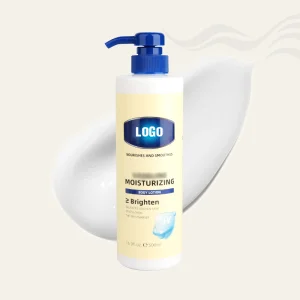
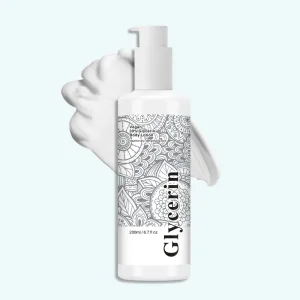
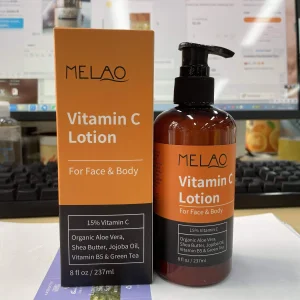
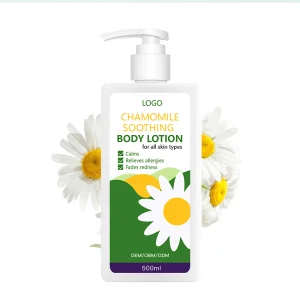
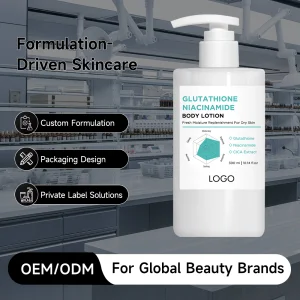
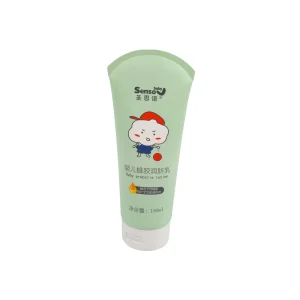
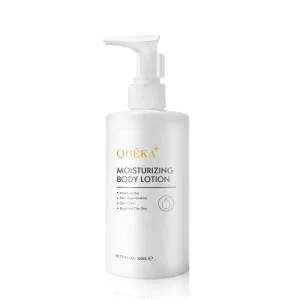
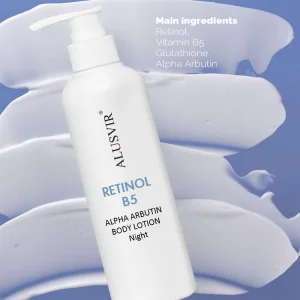
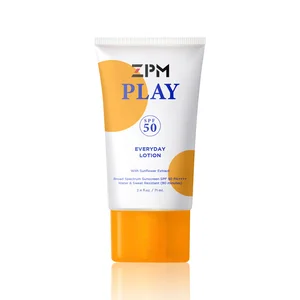
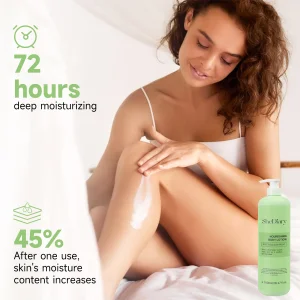
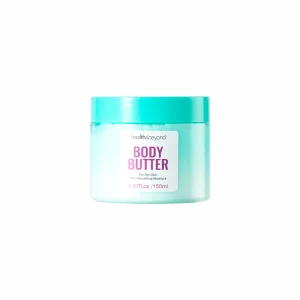
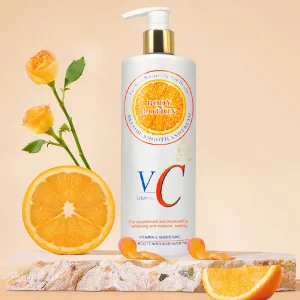
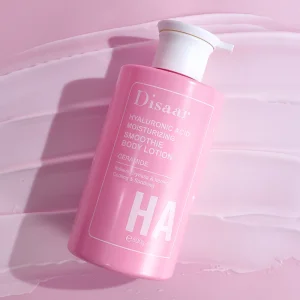
Ningbo NBW Beauty Co., Ltd. is a professional China Body Lotion Manufacturer specializing in the development, production, and customization of high-quality body care products for global beauty and personal care brands. With a strong commitment to innovation, quality, and customer satisfaction, we provide comprehensive solutions for businesses seeking reliable body lotion manufacturing and private label services.
At Ningbo NBW Beauty Co., Ltd., we offer flexible OEM and ODM services to support beauty brands, distributors, wholesalers, retailers, and e-commerce businesses worldwide. From formula development and packaging selection to branding and mass production, our experienced team works closely with customers to create unique products that align with market trends and brand positioning.
Quality is at the core of everything we do. Our manufacturing facilities operate under strict quality management systems, ensuring consistency, safety, and compliance throughout the production process. We continuously invest in research and development to introduce innovative body care formulations that meet evolving consumer expectations and industry standards. In addition to product quality, we focus on sustainable and efficient manufacturing practices, helping our partners develop competitive body care products for today's environmentally conscious consumers.
Serving customers across North America, Europe, Asia, the Middle East, and other international markets, Ningbo NBW Beauty Co., Ltd. has established a reputation as a trusted partner in the global beauty industry.
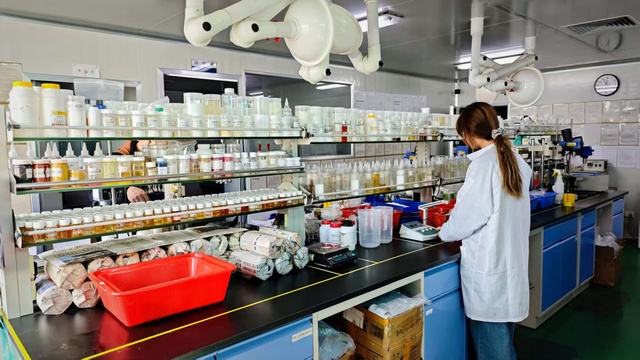
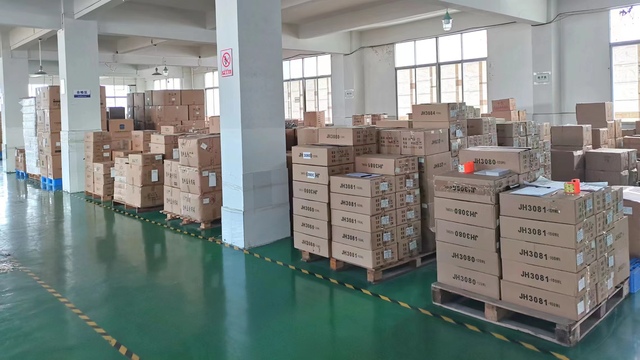
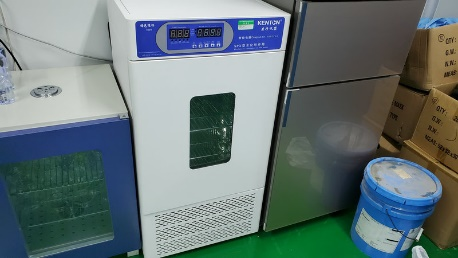
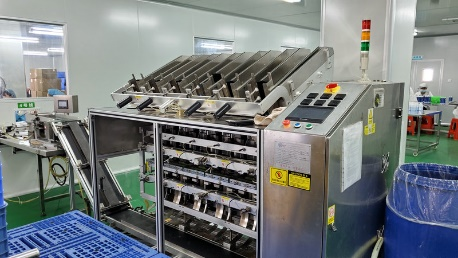
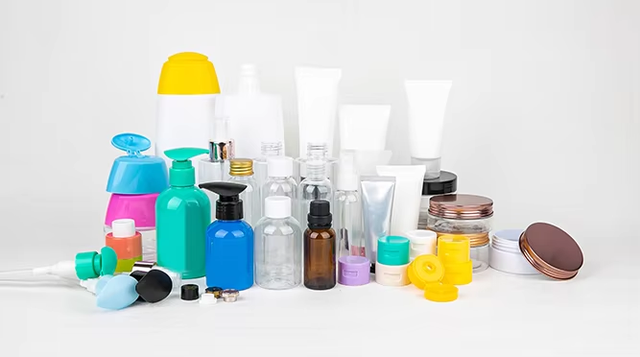
Sourcing premium face serums and high-performance body lotions requires matching strict formulation benchmarks with cost-effective bulk production. As brand owners, e-commerce catalog managers, or beauty retail buyers, understanding the capabilities of your cosmetic manufacturing partner will mitigate regulatory risks and protect your margins.
| Evaluation Parameter | Critical Sourcing Requirement | Impact on Brand Profitability & Compliance |
|---|---|---|
| Certificates & Compliance | GMPC, ISO 22716, FDA Registration, EU Cosmetics Portal (CPNP) | Prevents product seizures at customs, mitigates liability risks, and ensures clean retail onboarding. |
| Stability & Shelf-Life Testing | Freeze-Thaw cycles, centrifugal tests, microbiology assay, photostability | Guarantees active ingredients remain potent for 24–36 months without discoloration or phase separation. |
| Minimum Order Quantity (MOQ) | Flexible OEM setups (typically starting at 3,000 to 5,000 units per SKU) | Reduces up-front capital requirements, allows lean inventory strategies, and speeds up product launches. |
| Supply Chain Integration | Direct sourcing of raw materials, optimized primary packaging solutions | Reduces per-unit costs, speeds up prototyping cycles, and minimizes transit lead times. |
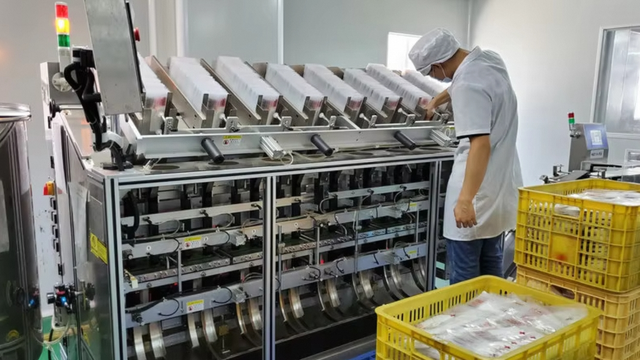
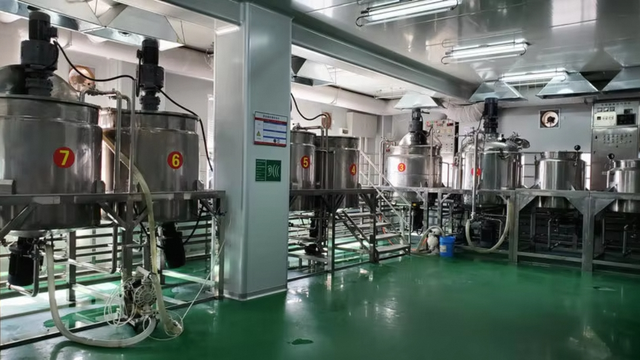
China's cosmetic manufacturing base has evolved from basic assembly to advanced, automated "Factory 4.0" systems. Industry leaders like Ningbo NBW Beauty Co., Ltd. utilize smart manufacturing protocols that integrate artificial intelligence, IoT sensors, and high-precision emulsifying systems to ensure batch-to-batch consistency.
Computer-controlled vacuum emulsifiers manage heat and shear rates, preventing crystallization in emulsion systems containing ceramides and peptides.
ISO Class 7 and Class 8 cleanrooms minimize dust particles and airborne microbiological contaminants, ensuring preservative systems run at clean, skin-friendly levels.
Smart optical sensors inspect labels, volumes, and closure torque in real-time, removing packaging errors before shipping.
Top-tier cosmetic factories recognize that skin biology and consumer preferences vary across global territories. Customizing serum textures, absorption profiles, and active ingredient concentrations is essential to capture regional market share.
High demand for clean beauty certifications, vegan certifications, clinical actives (like Retinol and Niacinamide), and transparent ingredient labeling. Sustainability in secondary packaging is critical.
Strict safety assessments under EU cosmetic regulations. Focus on skin barrier repair, natural ingredients, botanical extracts, and hypoallergenic formulations suited for dry or sensitive skin.
Heavy emphasis on lightweight, fast-absorbing, oil-free formulations due to humid, tropical conditions. Brightening ingredients, sebum control (salicylic acid), and UV protection are top priorities.
Review answers to technical questions about formulation development, packaging, compliance, and logistics.
Formulated with skin barrier-strengthening ceramides, vitamin-rich herbal extracts, and anti-aging compounds to protect and revitalize skin.
 NBW Beauty